The real difference between red wine and white wine comes down to one decision made at the very start of the winemaking process: whether the grape skins stay in contact with the juice. Red wine ferments with its skins on. White wine gets pressed and separated from its skins almost immediately. That single choice is where the color comes from, where the tannin comes from, and where most of the flavor and structure differences begin.
Neither style is the "better" wine. They're built to do different things, and the right one depends on what you're eating, what the weather's doing, and honestly, what mood you're in. Here's what actually separates red wine from white wine, grape by grape and glass by glass.
Quick Guide: Red Wine vs. White Wine
-
Skin contact is the defining difference. Red wine ferments with dark grape skins in the mix. White wine is pressed and fermented as juice alone.
-
Grapes differ, too, though not as strictly as people assume. Red wine comes from dark-skinned grapes. White wine usually comes from green or yellow-skinned grapes, though a few white wines are pressed from dark grapes with minimal skin contact.
-
Tannin exists almost exclusively in red wine because tannin comes from skin contact. White wine has little to no tannins.
-
Fermentation temperature runs warmer for red (roughly 68 to 86°F) to pull color and tannin from the skins, and cooler for white (roughly 50 to 65°F) to protect delicate aroma.
-
Body and weight trend fuller in red and lighter in white, though there's real overlap. A light Pinot Noir can feel lighter than a full-bodied oaked Chardonnay.
-
Serving temperature flips the pattern: white wine is served chilled, red wine is served cooler than room temperature but warmer than white.

How Winemaking Actually Differs: Skin Contact Changes Everything
If you're wondering how red wine is made differently from white wine, it starts before fermentation even begins.
For red wine, grapes are crushed, and the entire mix, juice, skins, and often seeds, goes into the fermentation tank together. As fermentation runs, alcohol acts as a solvent, pulling color, tannin, and flavor compounds out of the skins and into the wine. According to fermentation research from UC Davis' Department of Viticulture and Enology, red wine ferments at roughly 68 to 86°F specifically to maximize the extraction of color, phenolics, and tannin from the skins, while white wine ferments a good 20 degrees cooler, around 59°F, to protect the aroma and flavor compounds that heat would otherwise burn off.
White winemaking flips the order. Grapes get pressed first, and the clear juice goes into the tank without the skins along for the ride. That's the whole reason white wine stays pale and red wine doesn't. Grape juice itself is essentially colorless regardless of the grape's skin color; the color in red wine is entirely a product of what gets pulled from the skins during fermentation, not something inherent to the juice itself.
There are exceptions on both sides. Some white grapes get a few hours of skin contact before pressing to add texture, the same technique behind orange wine. Some red winemakers use thermo-vinification, briefly heating the must to speed up color extraction without a long maceration. But the core rule holds: more skin contact means more red wine, less skin contact means more white wine, and rosé sits in the middle by design.
The Grapes Behind Each Style
Grape color is the starting material, but it's not the only factor. Red wine grapes like Cabernet Sauvignon, Merlot, Pinot Noir, Syrah, and Malbec all have dark, pigmented skins packed with the anthocyanins that give red wine its color and much of its tannin. White wine grapes like Pinot Grigio, Sauvignon Blanc, Chardonnay, and Riesling have thin, light-colored skins with far less of that pigment and phenolic material to begin with.
That's the general rule, but winemaking technique matters as much as grape color. Champagne is the clearest example: it's made largely from Pinot Noir and Pinot Meunier, both red grapes, pressed so quickly and gently that almost no color transfers. The grape doesn't determine the category on its own. What happens to the skins after harvest does.
If you want to go deeper on either side, The Essential Guide to White Wine walks through the major white grapes and styles, and A Complete Guide for Red Wine does the same for reds, including body, tannin, and the grape varieties worth knowing.
Flavor Profile and Structure: Tannin, Body, and Acidity
This is where red and white wine actually taste like two different categories.
Tannin is the biggest structural difference, and it's almost exclusive to red wine. Tannin comes from grape skins, seeds, and stems, the same parts left out of white wine production. Anita Oberholster, a professor of viticulture and enology at UC Davis, explains that anthocyanins cap the ends of tannin chains during fermentation, which helps keep both color and tannin stable in the finished wine. Practically, that's why red wine has that dry, gripping sensation on your gums and the back of your palate, and white wine typically doesn't.
Body trends fuller in red and lighter in white, though this is a spectrum, not a hard line. A light Pinot Noir can feel lighter in the glass than a full, oaked Chardonnay. Body comes from alcohol level, extract, and winemaking choices like oak aging, not strictly from color.
Acidity runs high in both categories, but white wine tends to lead with it since there's no tannin to balance against. That's why crisp whites like Sauvignon Blanc taste so bright and refreshing, while high-acid reds like Barbera or Sangiovese feel lively without tannin's help.
|
Red Wine |
White Wine |
|
|
Skin contact |
Fermented with skins |
Pressed, fermented without skins |
|
Fermentation temp |
68 to 86°F |
50 to 65°F |
|
Tannin |
Present, ranges low to high |
Minimal to none |
|
Typical body |
Light to full |
Light to medium-full |
|
Acidity |
Present, often balanced by tannin |
Usually the dominant structural note |
|
Serving temp |
60 to 68°F |
45 to 55°F |
Where Each Style Shines: Regions
Place shapes both colors of wine, but not always in the same direction. Cooler regions tend to favor lighter reds and brighter whites; warmer regions push both toward fuller, riper styles.
In France, Languedoc-Roussillon and the southern Rhône lean into warm-climate reds built on Grenache, Syrah, and Carignan, the kind of wine that suits a cold night and a heavier meal. Head north to the Loire Valley or Alsace, and the same country produces some of the crispest, most aromatic whites anywhere.
In Italy, Piedmont's Nebbiolo and Barbera sit at one end of the spectrum, structured and food-driven, while Sicily and Italy's coastal regions turn out lighter, mineral-driven whites built for warm-weather drinking.
Neither country picks a side. They grow what the climate and the table call for, which is really the whole argument for keeping both colors in your rotation instead of picking a permanent favorite.

Food Pairing: What Each Wine Actually Does Best
The reason red and white wine pair differently with food comes back to tannin. According to food chemistry research from Virginia Tech's Enology Grape Chemistry Lab, proteins and fats bind with tannin, which mutes the astringency and bitterness you'd otherwise taste. That's the mechanism behind why a tannic red feels smoother next to a steak than it does on its own.
Red wine does its best work with red meat, richer sauces, and aged cheese, where fat and protein soften the tannin and let the fruit come through. Our steak and red wine pairing guide walks through exactly which cuts work with which style.
White wine shines with lighter proteins, where there's no tannin to soften, and the wine's acidity is doing the work instead. What Wine to Pair With Seafood covers that pairing logic, dish by dish.
And when you can't decide, a good cheese and charcuterie spread is the safest bet either way. Our beginner's guide to wine, cheese, and charcuterie covers pairings that work across both colors.
So, Which One Should You Choose?
This isn't really a "which is better" question. It's a "what do you need tonight" question.
Reach for red wine when you want something that stands up to a heavier meal, holds its own over a long dinner, and gives you that fuller, structured mouthfeel. It's the better match for cooler weather, red meat, and dishes with real weight to them.
Reach for white wine when you want something bright, chilled, and easy to pour before or during a lighter meal. It's the better fit for seafood, salads, warm afternoons, and anyone who wants a wine that doesn't ask much of the moment. Serve Your White Wine Right for Every Occasion has the specifics on temperature and storage once you've made the pick.
Plenty of people just keep both in rotation and let the meal decide. That's honestly the right answer more often than not. And if you want a wine that splits the difference on any given night, rosé is built to do exactly that: made from red grapes, but with the shorter skin contact of a white.
How Medly Approaches Both
I've spent most of my career moving between fine dining and running a winery, and if there's one thing that's stuck with me, it's that neither red nor white wine is "the good one." They're built for different jobs, and a wine list that only serves one is missing half the meal.
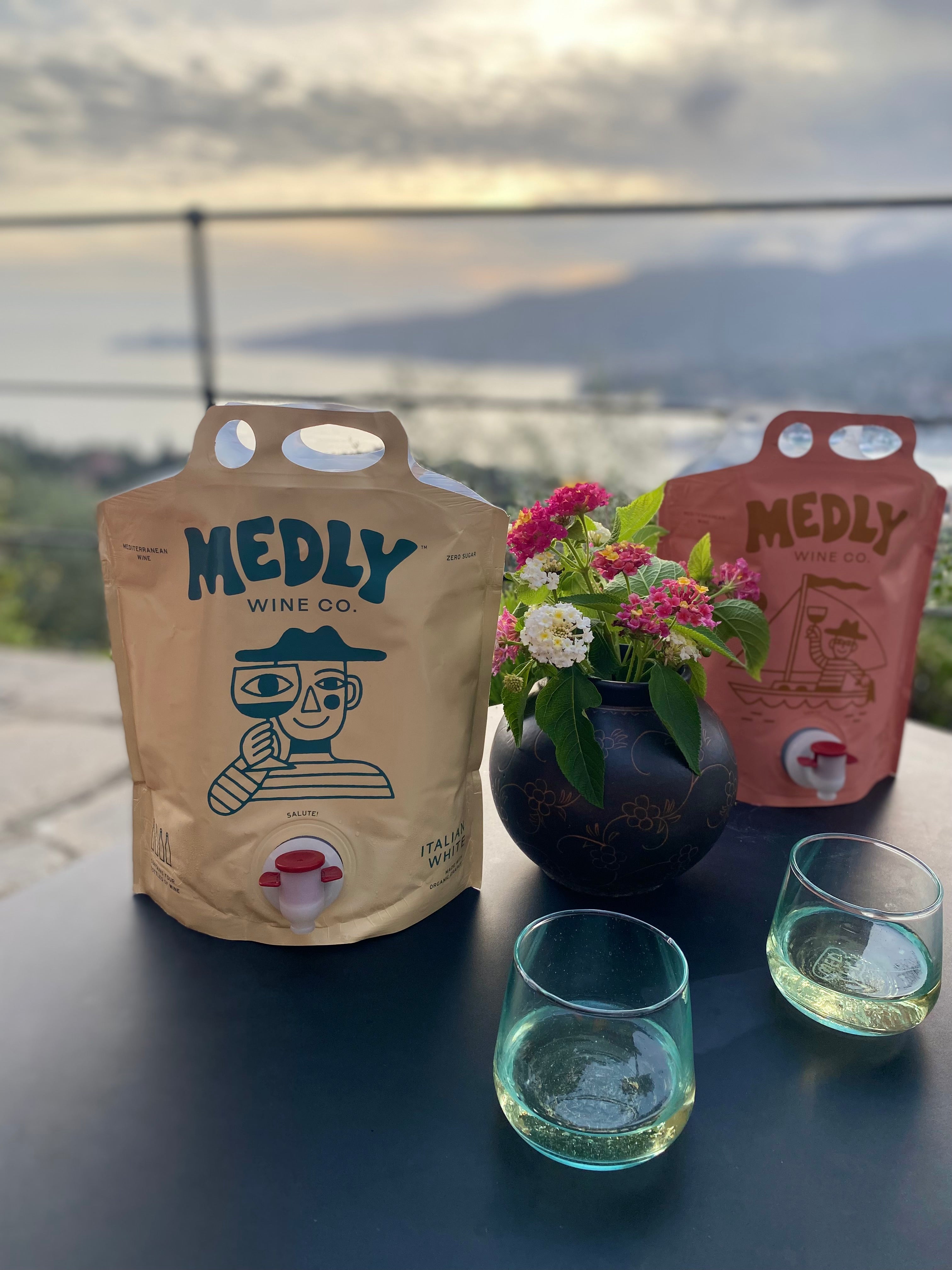
That's the same thinking behind Medly. Our lineup includes a French Red from Languedoc-Roussillon, sourced from certified organic vineyards and built on Grenache, Cabernet Sauvignon, Cinsault, and Malbec for a smooth, food-friendly red.
Alongside it, our Italian White comes from certified organic vineyards in western Sicily, a Pinot Grigio and Inzolia blend that's crisp, dry, and built for the table. If you want something in between the two, our French Rosé draws from the same Corbières estates as the red, with the shorter skin contact that keeps it dry and light.
All three come from the same place: real family estates, farmed with the same care, packaged the same eco-friendly way. You can read more about where our wines actually come from, or just browse the full Medly wine collection and pick whichever color fits tonight.

FAQs: Red Wine vs. White Wine
What is the main difference between red wine and white wine?
The main difference is skin contact during fermentation. Red wine ferments with its skins, which is where the color, tannin, and much of the flavor complexity come from. White wine is pressed and fermented as juice alone, without the skins, resulting in a lighter, less tannic wine.
Is red wine or white wine better?
Neither is objectively better. They're built for different situations. Red wine tends to suit heartier food, cooler weather, and longer meals, while white wine suits lighter dishes, warmer weather, and quicker pours. The better choice depends on what you're eating and drinking it for.
Do red and white wines use different grapes?
Usually, yes. Red wine comes from dark-skinned grapes rich in anthocyanins, while white wine typically comes from green or yellow-skinned grapes. There are exceptions: most Champagne, for example, is pressed from dark-skinned grapes with minimal skin contact.
Why does red wine have tannins and white wine doesn't?
Tannin comes from grape skins, seeds, and stems, all of which stay in contact with the juice during red wine fermentation. White wine is pressed and separated from those parts almost immediately, so very little tannin makes it into the finished wine.
Is red wine or white wine served warmer?
Red wine is served warmer, typically 60 to 68°F, while white wine is served chilled, typically 45 to 55°F depending on the style. Both are usually served cooler than most people think.