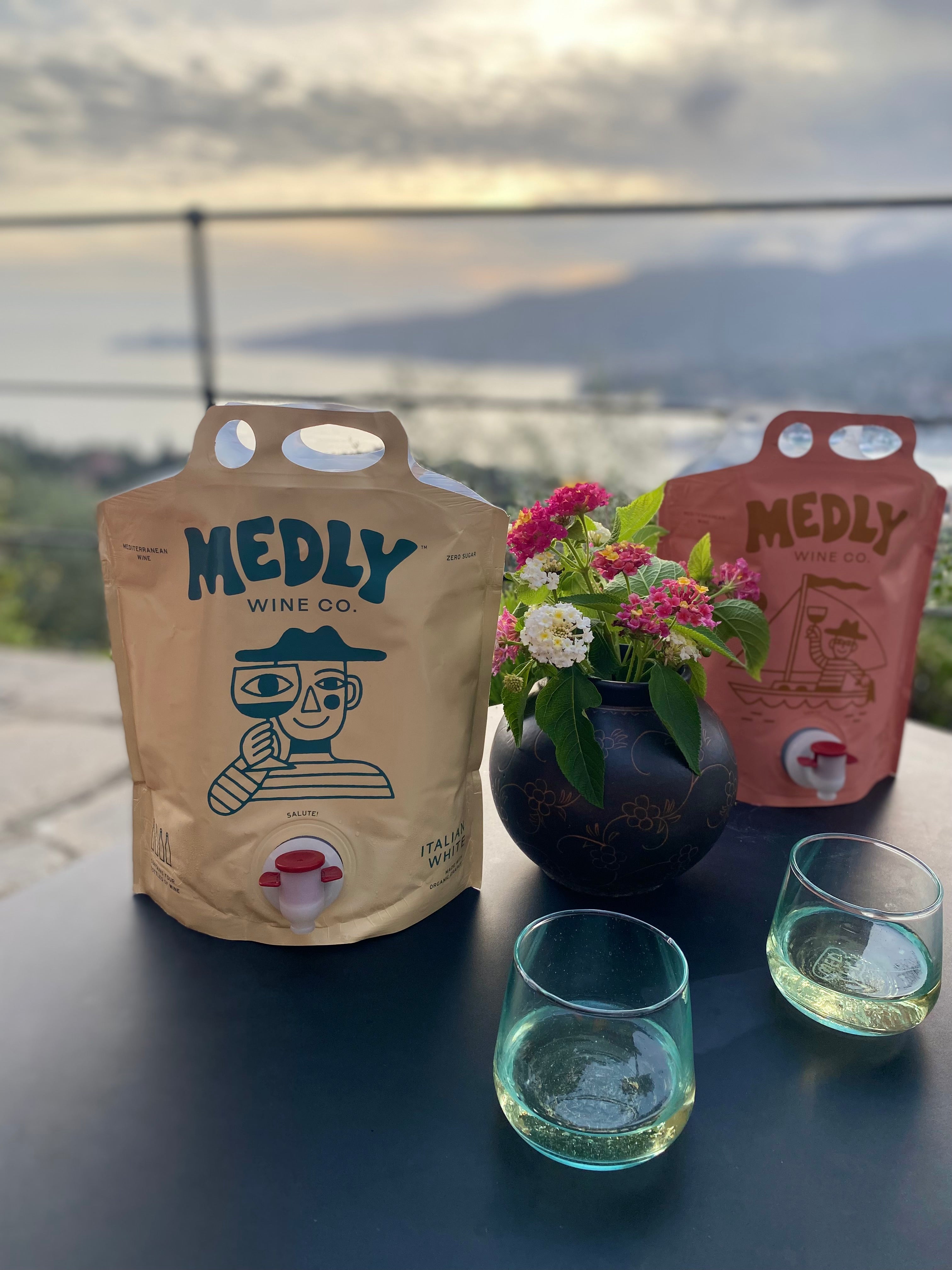
Most white wine gets served too cold to taste much of anything. Pull a bottle straight from a 37°F refrigerator, pour immediately, and the aromatics shut down before they reach your nose. The fix is simple once you understand what white wine needs from temperature, storage, aeration, and the food sitting next to it on the table. This guide covers all of it.
What Temperature Should You Serve White Wine?
White wine should be served between 45°F and 55°F (7–13°C). Where you land within that range depends on the style.
Light, crisp whites, including Pinot Grigio, Sauvignon Blanc, and Albariño, taste sharpest and most defined at the cooler end: 45–50°F. Cold temperatures lock in high acidity and keep citrus, herb, and green apple notes clean. Fuller whites like oaked Chardonnay do better toward 50–55°F, where a few extra degrees of warmth release the rounder, more layered aromas that cold suppresses.
Most home refrigerators run between 35–40°F, too cold for any white wine. At those temperatures, flavor compounds become nearly undetectable, and the wine tastes flat.
According to The Wine Cellarage, pulling whites out 10–15 minutes before serving and keeping them on ice at the table rather than repeatedly returning to the fridge gives you the best control over where the wine lands.
|
White Wine Style |
Ideal Serving Temperature
|
|---|---|
|
Sparkling whites (Prosecco, Champagne) |
42–47°F (5–8°C) |
|
Light, crisp whites (Pinot Grigio, Sauvignon Blanc) |
45–50°F (7–10°C) |
|
Medium-bodied whites (Chardonnay, Chenin Blanc) |
50–55°F (10–13°C) |
|
Oaked, full-bodied whites |
50–55°F (10–13°C) |
|
Sweet whites (Moscato, late-harvest Riesling) |
43–50°F (6–10°C) |
You don't need a thermometer. Pour a sip straight from the fridge, wait five minutes, pour another. You'll notice when the aromatics open; that's the window you want.

White Wine Storage Temperature: What You Actually Need to Know
Storage temperature and serving temperature answer different questions.
For short-term storage of an opened bottle, the refrigerator works. Cold slows oxidation and buys you a few extra days. For longer-term storage of unopened bottles, white wine holds best between 42–50°F in a dark spot with a stable temperature. Fluctuations in temperature do more damage than sitting at a slightly imperfect number: the expansion and contraction stresses the seal and accelerates aging in ways you don't want.
If you store whites and reds together, 55°F is a practical middle ground. It runs a touch warm for whites over many months, but it's far better than a pantry or countertop.
After opening, reseal and refrigerate. Most white wines hold for three to five days before the freshness drops off noticeably. If you're using a format where the container collapses as you pour rather than filling with air, that window extends significantly.
Medly's Italian white wine works that way, which is why a pour on Monday and a pour the following weekend taste like the same bottle. More on how packaging affects longevity in our breakdown of how long wine lasts in bottles versus pouches.
How Long to Chill White Wine in the Freezer
Twenty minutes gets a room-temperature white wine into pourable range. For light, crisp whites, check at 15 minutes. Fuller whites can go to 25 minutes. Both should feel cold to the touch without ice crystals forming on the glass.
Set a timer. A bottle left in the freezer for hours will freeze, and a glass bottle under that pressure can crack or push the cork. If you've lost track, check at 20 minutes regardless of style.
For keeping the temperature steady at the table, a wine sleeve, bucket with ice and a little water, or a cooler bag all work. The goal is holding the temperature while you pour, not driving it lower.
Do You Decant White Wine?
Most white wines don't need decanting, but it depends on what's in the bottle.
Decanting does two things: it separates wine from any sediment that's settled, and it exposes the wine to air so aromas can open. With reds, that's often necessary for young tannic wines or older bottles. With whites, the case is narrower.
Light whites like Pinot Grigio and Sauvignon Blanc don't benefit from a decanter. Their aromas are delicate and relatively fast-fading; too much air contact before serving can flatten them.
Fuller, more complex whites are the exception. An aged or oaked Chardonnay that feels closed on first pour can open up noticeably after 15–20 minutes in a wide-mouthed decanter. If the wine smells tight or muted at first sip, try it.
Do You Aerate White Wine?
Aeration exposes wine to oxygen quickly, either through a pouring device or by swirling in the glass. For most white wines, you don't need it beyond a gentle swirl.
The exception is the same one as decanting: fuller-bodied, oak-aged whites. A brief pass through an aerator can pull out more layered aromas in a heavier Chardonnay or a Viognier. According to Coravin's wine education team, rich white wines can be as complex as red wines and may need some air to open fully, though even then, a couple of minutes is enough.
Light whites should be poured and drunk. Sparkling styles should never be aerated; the process kills the bubbles and the floral lift along with them.
For everyday whites, pour into a wide glass and swirl gently before the first sip. That's usually sufficient.

White Wine Food Pairing: What Works and Why
The core pairing logic comes down to weight and acidity. Light whites pair with lighter food; fuller whites sit comfortably next to richer dishes. When food gets spicy, a touch of sweetness in the wine helps.
White wine's acidity is its most useful pairing tool. High-acid whites like Sauvignon Blanc cut through fat and salt, which makes them work well with fried food, cheese, and cream sauces. They refresh the palate between bites, which is why they're a natural partner for seafood and salads.
White Wine with Seafood
Crisp whites and seafood is the most reliable pairing in the category. High acidity mirrors the brightness of fresh fish without overwhelming delicate flavor. Sauvignon Blanc with oysters, grilled shrimp, or ceviche. Pinot Grigio with sushi, pesto pasta, or simply grilled white fish.
Medly's Italian white, a blend of Pinot Grigio and Inzolia, works especially well here. Inzolia is a Sicilian grape with a naturally bright, slightly mineral profile that sits cleanly against fish and shellfish. Our dedicated guide to pairing wine with seafood covers the full range of styles and what to reach for.
White Wine with Cheese and Charcuterie
Salt and acidity work together. Crisp whites cut through the fat in cheese and make salty, cured meats taste more alive. Sauvignon Blanc loves fresh chèvre and briny olives. Pinot Grigio pairs well with lighter, younger cheeses and cured meats. A rounder Chardonnay handles aged cheeses with more presence, like a good Comté or Gruyère.
Our beginner's guide to wine, cheese, and charcuterie has a fuller breakdown of what works and why, including how to structure the board itself.
White Wine with Chicken and Pasta
Chardonnay and roast chicken is a classic for a reason. The wine's body and toastier notes match the savory depth of roasted skin and butter sauces. For creamy pasta, a fuller white works the same way. Lighter preparations, like a simple olive oil, herb, and lemon pasta, call for something crisper: Sauvignon Blanc or Pinot Grigio.
More weeknight dinner pairing ideas are on the blog if you want to match specific dishes.
White Wine with Vegetables and Plant-Based Dishes
Crisp whites are underrated with vegetables. Sauvignon Blanc with a green salad and bright vinaigrette. Pinot Grigio with roasted zucchini, grilled asparagus, or a vegetable flatbread. Aromatic whites like Riesling pair especially well with dishes that carry bold spice, ginger, or citrus.
Our organic vineyard wine pairings for plant-based meals are worth a read if you're building a menu around vegetables.
White Wine with Spicy Food
A touch of residual sweetness tames the heat. Off-dry Riesling with Thai curry, spicy tacos, or anything built around chili and lime is a combination that works consistently. A dry white with good fruit character can also buffer spice, where a bone-dry wine might amplify it.
White Wine by Occasion
|
Occasion |
What to Pour
|
|---|---|
|
Summer evening, outdoor gathering |
Light, chilled white: Pinot Grigio, Sauvignon Blanc, dry Italian white |
|
Dinner party across multiple courses |
Medium-bodied white with enough character for guests who know wine and enough approachability for those who don't |
|
Brunch |
Crisp and light: sparkling, Sauvignon Blanc, or fresh Pinot Grigio |
|
Wine and cheese night |
Range of whites at different temperatures; let guests compare against cheeses |
|
Weeknight dinner |
Whatever matches the dish; don't overthink it |
Our summer wine guide covers warm-weather picks in more detail. And if you're hosting a wine and cheese night, this setup guide walks through the whole thing from start to finish.
How to Keep White Wine Fresh After Opening
Reseal it and refrigerate it. Cold slows oxidation and is the single most effective thing you can do for an open bottle.
A resealed white wine stored in the refrigerator will hold for three to five days before freshness and aromatics begin to fade noticeably. By day five, the wine is usually still drinkable but not at its best.
The other factor is how much air enters the bottle as you pour. Every glass lets in more oxygen. Formats that minimize that contact extend the window; standard bottles that fill with air as the wine leaves them don't. This is the practical reason why bottle versus pouch storage produces different results after opening.
Clean White Wine and What Goes in the Glass
If you're paying attention to what's in your wine, white wine can be a cleaner drink than people expect. The essential guide to white wine covers the broad landscape of styles; what gets less attention is the difference between conventionally produced whites and low-intervention ones.
Organic grape white wines skip synthetic pesticides, herbicides, and many of the additives used to stabilize conventionally produced wine. The result in the glass is often a more expressive, fruit-forward flavor profile. Our breakdown of clean versus conventional wine covers the ingredient and production differences in detail.
Medly's whites come from multi-generational family estates in Italy using organic farming methods. The grapes do the work; the winemaking stays out of the way. You can browse the full Medly wine collection if you want to see what that looks like across styles.

Frequently Asked Questions About Serving White Wine
What temperature should white wine be served at?
White wine should be served between 45°F and 55°F, depending on style. Light, crisp whites like Pinot Grigio and Sauvignon Blanc taste best at 45–50°F. Fuller whites like oaked Chardonnay perform better at 50–55°F. Most refrigerators run between 35–40°F, which is too cold; pull the bottle out 10–15 minutes before serving.
How long does it take to chill white wine in the freezer?
About 20 minutes brings a room-temperature bottle down to a good serving range. Check at 20 minutes and remove it; bottles left much longer risk freezing, which can crack glass.
Should you decant white wine?
Most whites don't need decanting. Light whites like Pinot Grigio are better poured and drunk. Fuller, more complex whites like an oaked Chardonnay can open up with 15–20 minutes in a decanter, particularly if the wine tastes closed or muted on first sip.
Do you aerate white wine?
Most white wines don't need aeration beyond a swirl in the glass. Richer, more complex whites such as oaked Chardonnay can benefit from brief aeration. Sparkling wines should never be aerated.
What food pairs best with white wine?
It depends on the style. Crisp whites like Sauvignon Blanc and Pinot Grigio pair well with seafood, salads, light pasta, and cheese. Fuller whites like Chardonnay pair with roast chicken, cream sauces, and richer dishes. Off-dry whites like Riesling handle spicy food well.
How long does white wine stay fresh after opening?
Three to five days in the refrigerator for a standard sealed bottle. Formats that reduce oxygen contact during pouring can extend that window considerably.
Is there a difference between white wine storage temperature and serving temperature?
Yes. Storage temperature keeps unopened bottles stable over weeks or months; 42–50°F is ideal for most whites. Serving temperature is the range that makes the wine taste its best in the glass: 45–55°F, depending on style. They overlap by design; whites generally don't need much warming between storage and the pour.