Most people don’t think about how wine is made. They see a label, a wine type they recognize, maybe a region or a price point, and they make a decision.
But if you actually care about what you’re drinking, you start asking some different questions. Where did this wine come from? How was it grown? What was added to it? Why does it taste the way it does?
This article explains how we do it at Medly. From vineyard to glass. No fluff, no over-complications. Just the process and the thinking behind it.
It Starts in the Vineyard: Growing Organic Grapes with Care
If the vineyard isn’t right, nothing else matters.
We work with growers in France and Italy who farm organically. No synthetic pesticides. No herbicides. No shortcuts to push production.
These decisions alone change everything.
When you farm this way, you’re not forcing the vine to behave. You’re managing it by caring for it in unique ways. Watching it. Letting the environment do its job. Soil health becomes a priority. Biodiversity becomes part of the system, not something you eliminate.
You’ll see cover crops, natural growth between rows, and vines that aren’t overworked. The fruit develops at its own pace and is supported by a healthy and thriving ecosystem.
That’s where flavor actually comes from. Not from manipulation later on, but from the vineyard itself.
Timing the harvest is part of that. We’re not picking based on a fixed date. We’re tasting the grapes. They tell us when they’re ready to pick. That’s the starting point of the wine production process. And if you get this part right, everything downstream becomes simpler.
Harvest: Bringing the Grapes from Vine to Cellar
Harvest is where the many decisions you made throughout the year become real. You’ve got a narrow window. Too early and the wine lacks depth. Too late and you lose balance.
We, with our partners, focus on the balance in the vineyards and pay close attention to the fruit. In many cases that means hand-harvesting. It allows for selection. You’re not just pulling everything off the vine. You’re choosing what actually deserves to be made into wine.
Handling matters here. Grapes are fragile. If you damage them too early, you lose control of the process before it even starts. If you break the skins, they begin to oxidize immediately. Everything is done with intention. Pick, sort, move to the cellar quickly.
There’s a rhythm to harvest. Early mornings, long days, constant attention.
Fermentation: Where Grapes Become Wine
This is where people expect complexity. In reality, the goal is to keep things simple.
Minimal Intervention Philosophy
Minimal intervention gets used a lot, but most people don’t explain what it means.
It means you don’t add things unless you have a clear reason.
No unnecessary additives. No heavy processing. Sulfites are used, but kept low and only when needed for stability. Wine shouldn’t require “fixing” when it's made from grapes that have been grown well and naturally.
This approach takes more work, not less. You’re tasting constantly. Monitoring closely. Making small decisions instead of big corrections.
The end result is straightforward. The wine tastes like the fruit it came from.

Blending: The Art of Getting It Right
Blending is where everything comes together. Different lots, different grape varieties, different expressions from the same vineyard. All of it gets evaluated.
This isn’t about making something complicated. It’s about making something balanced. You’re looking for structure. Acidity, fruit, texture. Nothing should stand out in a way that feels forced.
We build wines that people actually want to drink. Not wines designed for a tasting note or a score. Approachable. Clean. Works with food or on its own. Knowing when a blend is finished is part experience, part instinct. There’s a point where everything just lines up.
Aging and Quality Control: Finishing the Wine Properly
After blending, the wine needs time to settle just enough time for everything to integrate. During this stage, the wine is tasted regularly. You’re making sure it’s stable, consistent, and showing the way it should.
This is where a lot of producers rush. We don’t. If something isn’t right, it doesn’t move forward. We keep our standards simple..
This part of the process doesn’t get talked about much, but it’s critical. It’s the difference between a wine that feels finished and one that doesn’t.
Packaging with Purpose: The Pouch Difference
Medly’s deliberate decision.
Why Medly Uses Pouch Packaging
Glass has been the standard for a long time. That doesn’t mean it’s the best option. It’s heavy. It breaks. It increases shipping costs and environmental impact.
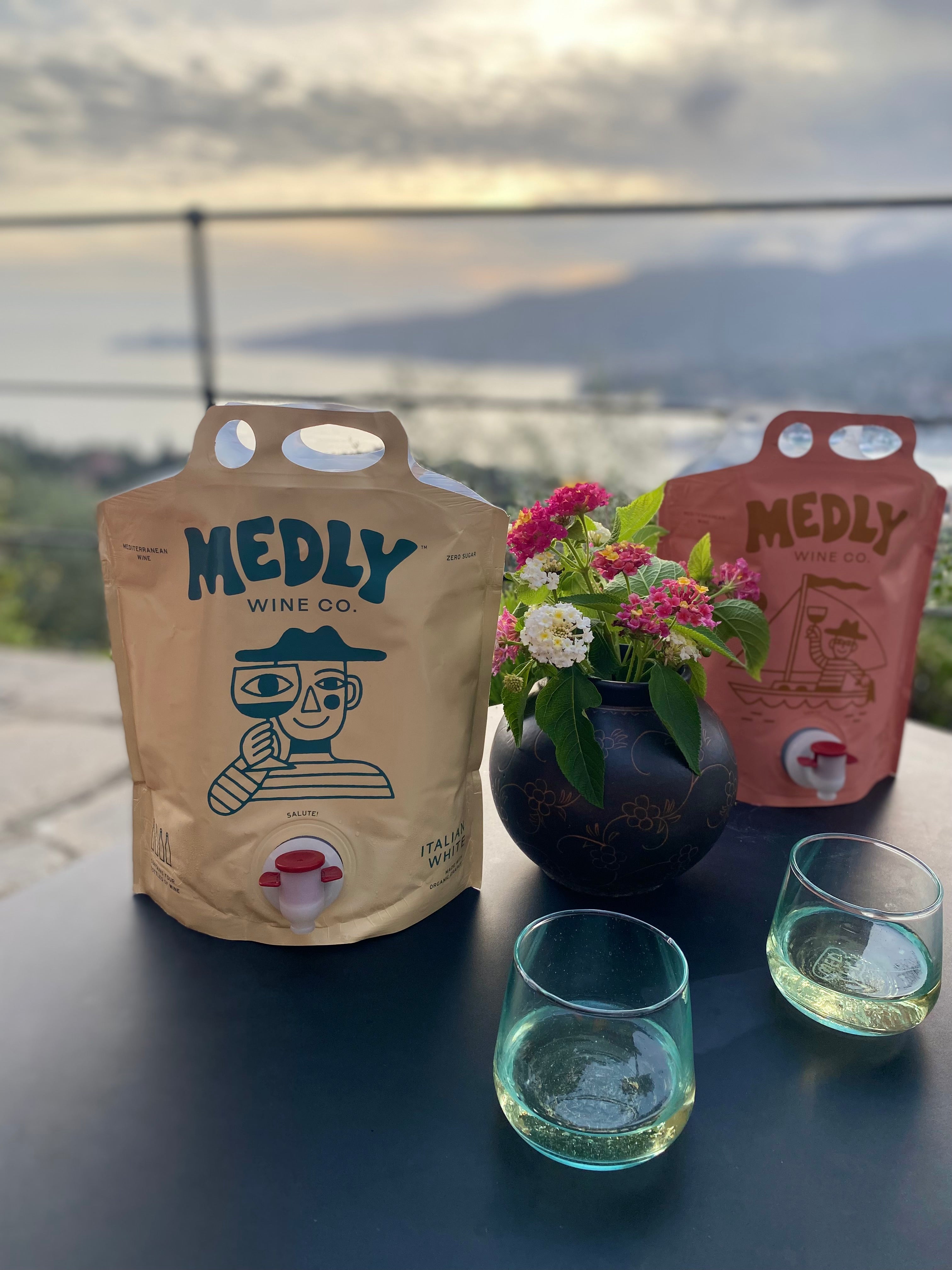
We chose pouches because they solve those problems. They’re lighter and more efficient to ship and store, creating much lower waste.
There’s also a real benefit once the wine is open. The pouch limits oxygen exposure, so the wine stays fresh longer. This is quite practical, especially if you’re not finishing everything in one sitting.
Quality Comes First
The packaging doesn’t define the quality. The wine does. The pouch protects the wine effectively. It keeps it stable and fresh.
We’re not interested in tradition for the sake of it. We’re interested in what actually works.
If you want to understand sustainable winemaking, you have to look beyond the vineyard. Packaging is part of the equation.

From Our Hands to Your Glass
Everything we do comes back to a few simple decisions.
Start with organically grown grapes. Don’t overwork them. Don’t overcomplicate the process. Pay attention at every stage. That’s it. No unnecessary additives. No inflated claims. Nothing hidden behind marketing language.
If you want to see what that looks like in practice, you can explore the Medly Wine Collection or read more about Our Story and how we approach this from the ground up.
FAQs
How is Medly wine made?
It starts with organic grapes grown in France and Italy. From there, fermentation happens using yeast with minimal intervention in the cellar. The wine is blended, stabilized, and packaged in pouches designed to preserve freshness.
What does organic winemaking mean?
It means the grapes are grown naturally without and synthetic chemicals in the vineyards or cellar. The winemaking process avoids unnecessary additives. The focus is on preserving the natural character of the fruit.
Does Medly use pesticides or additives?
We do not use pesticides or herbicides and we only add a minimal amount of sulfites for stability.
Why use pouches instead of bottles?
They greatly reduce environmental impact, are easier to handle, and keep the wine fresh longer after opening. And they’re a lot more fun!
How long does the wine stay fresh?
The pouch design limits oxygen exposure, which allows the wine to stay fresh for over a month after opening, which is a lot longer than a typical opened bottle.
Taste the Difference
At the end of the day, none of this matters if it doesn’t show up in the glass. The process should be invisible. What you notice is the result. Clean, balanced, easy to drink. Wine that does what it’s supposed to do.
If you’re ready to try it, take a look at the collection and see for yourself!
To happiness and health!
Aaron