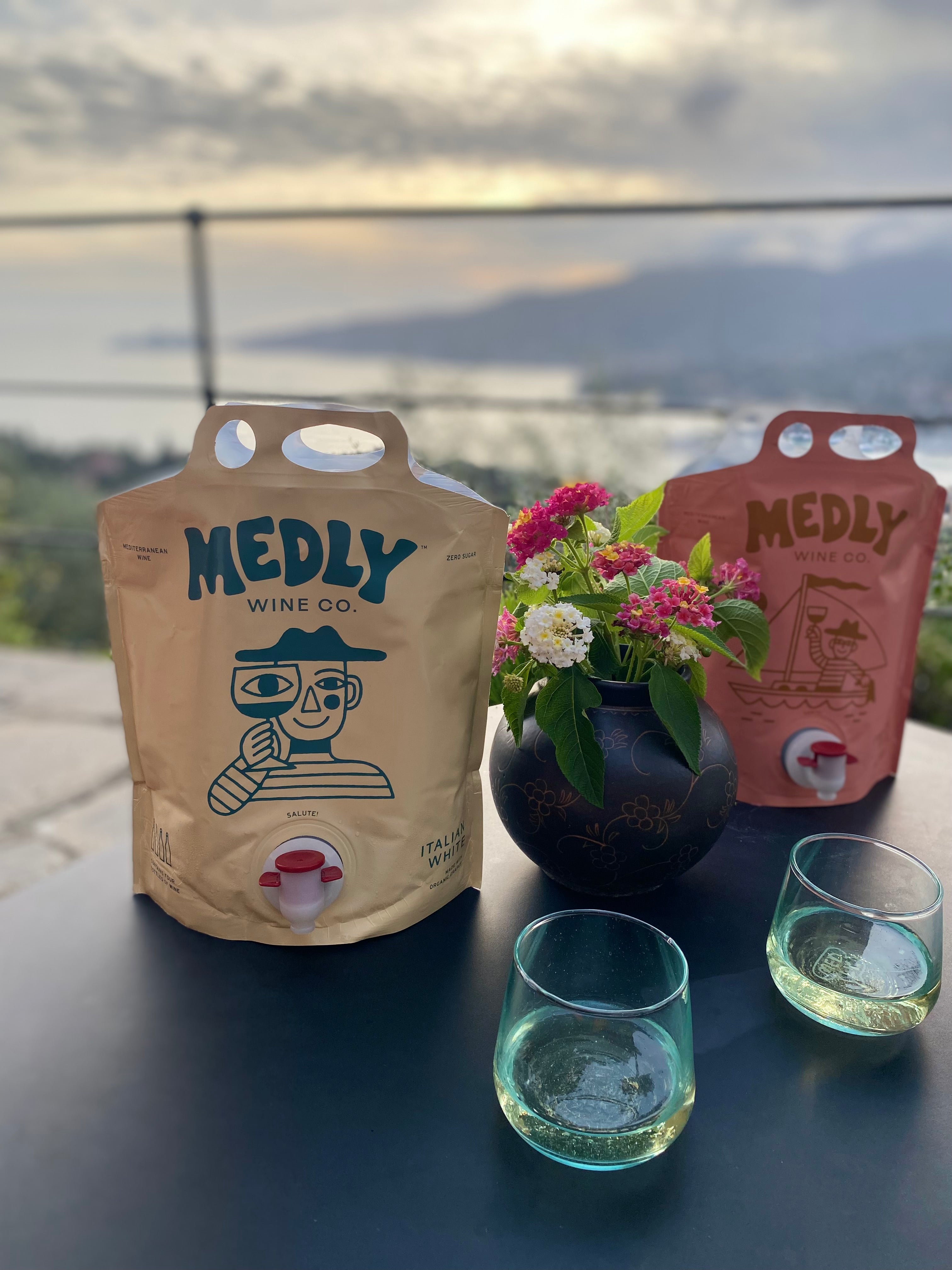
This fall sangria guide is for anyone who has stood over a pitcher of fruit and wine and wondered what goes in first. The basics are simple: pour in a fruity red, add cider, an apple, a pear, an orange, and two cinnamon sticks, then chill it for at least four hours. Top it with something bubbly and pour.
Whether you're hosting Friendsgiving or just want a pitcher in the fridge for the week, this guide covers what actually matters: where sangria comes from, what goes in it, the full fall sangria recipe, and the best red wine for sangria.
What Is Fall Sangria?
Sangria is a chilled wine punch made with wine, chopped fruit, and a little sweetener or spirit. Fall sangria swaps the summer peaches and berries for apples, pears, oranges, and cranberries, then adds cinnamon and cloves for warmth.
The result tastes like an orchard in October, and it's about as forgiving as a drink gets. It can be made a day ahead, it doesn't call for exact measuring, and it fits football Sundays, Friendsgiving, and quiet nights in with a cheese board, which makes it easy to say yes to when friends ask what they can bring.
For the spiced winter cousin, with pomegranate and winter citrus, see our winter sangria guide.

A Short History of Sangria
Sangria comes from Spain and Portugal, and its roots reach back to medieval Spain. In the Kingdom of León, cooks stirred wine with oranges, lemons, sugar, and spices into a drink called Leonese lemonade. That's the forerunner of sangria, according to this history of the drink. The word sangría is Spanish for bloodletting, and the deep red color most likely explains the name. A cousin called sangaree, probably from the Caribbean, was popular in colonial America before it faded in the early 1900s. Spanish restaurants later brought sangria back to the United States as an iced drink by the late 1940s, and the 1964 World's Fair in New York made it a household name.
Today the name's even legally protected. Under a 2014 European Union rule, only sangria made in Spain and Portugal can carry the word on an EU label, while sangria made anywhere else has to be sold under a different description that names the country where it was produced. Fair enough. The traditional version calls for a Spanish red like Rioja, chopped fruit, orange juice, sugar, and sometimes brandy. Simple.
The Ingredients in Fall Sangria
Fall sangria needs a dry red wine, fresh fall fruit, apple cider, warm spices, and something bubbly at the end. Everything else is optional. The wine matters most, and you'll want a dry red with soft tannins. Dry means no sugar is left after fermentation, and tannins are the compounds from grape skins that make your mouth feel dry and grippy. Fresh apple cider, which is simply unfiltered apple juice, comes next. Grab an unsweetened bottle from the refrigerated section.
The fruit is an apple, a pear, an orange, and a handful of cranberries or pomegranate seeds. A firm variety like Honeycrisp, Gala, or Pink Lady holds its shape in the wine. Cinnamon sticks and whole cloves supply the spice, and because whole spices flavor a pitcher without turning it cloudy, the fruit gets to look as good as it tastes, which matters when you're pouring for a crowd. Add sparkling water, ginger beer, or dry sparkling wine right before you pour.
Brandy and maple syrup are the two optional extras. Brandy adds warmth, and maple syrup rounds out the edges. If you skip the brandy, it'll still work, since an extra quarter cup of cider takes its place.
Medly's reds are fermented fully dry, so they've got zero sugar, and every bit of sweetness in the pitcher comes from what gets added. That puts the sweetness level in your hands, which is where it belongs.
Fall Sangria Recipe
This fall sangria recipe makes about seven glasses of 6 ounces each. You'll spend about 15 minutes on it, and the fridge needs at least 4 hours.
Ingredients
-
750 ml dry red wine, about 3 1/4 cups (one quarter of a Medly pouch)
-
1 cup (240 ml) fresh apple cider
-
1/4 cup (60 ml) brandy, optional
-
1 to 2 tablespoons maple syrup, to taste
-
1 crisp apple, cored and cut into thin wedges
-
1 ripe but firm pear, cored and sliced
-
1 orange, sliced into thin rounds
-
1/2 cup fresh cranberries or pomegranate seeds
-
2 cinnamon sticks and 3 whole cloves
-
1 cup (240 ml) sparkling water, ginger beer, or dry sparkling wine
-
Ice and rosemary sprigs for serving
Steps
-
Pour the wine, cider, brandy, and 1 tablespoon of maple syrup into a large pitcher. Stir until the syrup dissolves.
-
Add the apple, pear, orange, cranberries, cinnamon sticks, and cloves. Stir gently, because bruised fruit doesn't do your pitcher any favors.
-
Cover the pitcher and refrigerate for at least 4 hours. Overnight is better. Don't go past 24 hours, since after a day the fruit turns soft and the orange peel gets bitter.
-
Taste before serving. Add up to 1 more tablespoon of maple syrup if you want it sweeter, or squeeze in a little lemon juice if it tastes flat.
-
Fill glasses with ice and pour in the sangria. Top each glass with a splash of the sparkling water, about 1 ounce, spoon in some of the wine-soaked fruit, and tuck a rosemary sprig into each glass.
A few small moves make a big difference. Slice the orange thin and trim off the white pith, since pith turns bitter in wine. Pull the cloves after 4 hours if you like a lighter spice. And go easy on the maple syrup at first, because the fruit and cider keep adding sweetness as the pitcher sits, so you can always stir in more right before serving, but you can't take any out.
What Is the Best Red Wine for Sangria?
The best red wine for sangria is a dry, fruity red with soft tannins and no heavy oak. The fruit and cider carry a lot of the flavor, so the wine doesn’t need to be a showstopper. Two questions cut through most of the confusion: Is it juicy? And is it smooth? If the answer to both is yes, pour it.
A few popular grapes fit the bill, according to the sommelier behind Wine Insiders’ sangria guide. Tempranillo is Spain’s classic sangria red, with cherry and plum flavors. Garnacha, also called Grenache, is juicy and tastes of strawberry and raspberry. Merlot is soft and plummy, and Zinfandel is bold and jammy. Red blends work well too, since the balancing is already done for you. Skip heavily oaked wines and very grippy reds like Cabernet Sauvignon, which taste drying once chilled. Our complete guide for red wine covers these grapes in more depth.
Both of our reds fit that description, and they make different sangrias. The French Red is a smooth, fruity, light-to-medium blend from the Languedoc in southern France, grown in certified organic vineyards, and it’s soft enough to sit under cider and citrus, which makes it the pick for a bright, easy-drinking fall sangria. The Italian Red is a Barbera from Piedmont, Italy, also grown in certified organic vineyards, and its blueberry, fig, and chocolate notes suit a darker, richer sangria made with brandy and an extra cinnamon stick.

Fall Sangria FAQ
Can you make fall sangria the night before?
Yes, and it'll often taste better. Mix everything except the sparkling water, chill it overnight, and add the bubbles just before serving. Got leftovers? Strain out the fruit, and the sangria will keep for another day or two in the fridge. Don't leave the fruit in, or it'll turn mushy.
Should fall sangria be sweet?
It shouldn't taste sugary. It should taste balanced, so start with 1 tablespoon of maple syrup and taste after the pitcher has chilled, since the fruit and cider add sweetness as it sits. Wines don't all carry the same sugar, and our post on sugar in wine breaks down how red and white compare.
What do you serve with fall sangria?
Sharp cheeses, cured meats, roasted nuts, pork, and roasted squash all work, and they're easy to set out before guests arrive.
How Much Sangria a Party Needs, and Why a Pouch Helps
One Medly pouch holds 3 liters of wine, the same as four 750 ml bottles, and that makes about 28 glasses of fall sangria. Multiply the recipe by four and mix it in a drink dispenser that holds at least 2 gallons.
|
Amount of sangria |
Wine needed |
Glasses |
|---|---|---|
|
One pitcher |
750 ml, one quarter of a pouch |
About 7 |
|
Two pitchers |
1.5 liters, half a pouch |
About 14 |
|
Full party batch |
One 3-liter pouch |
About 28 |
Hosting is where the pouch really shines over bottles of wine. One batch comes from one wine, so every glass tastes the same. The wine stays fresh for up to 45 days after opening, so you can mix a pitcher on Friday, enjoy it through the weekend, and save the rest for another night. There's no cork to pull, and there's no pile of glass bottles to haul to the recycling bin when the party's over. We source every pouch from family estates in France and Italy, and the journey behind every Medly pouch tells that story. Great juice. No fuss.
Ready to mix your first pitcher? Order Medly's French Red or Italian Red, or use Build Your Bundle to stock up for the whole season. Pour it from a hand-made carafe from the glassware and accessories collection, and browse the full Medly wine collection for everything else. Medly ships to most U.S. states, and an adult signature (21+) is required at delivery.