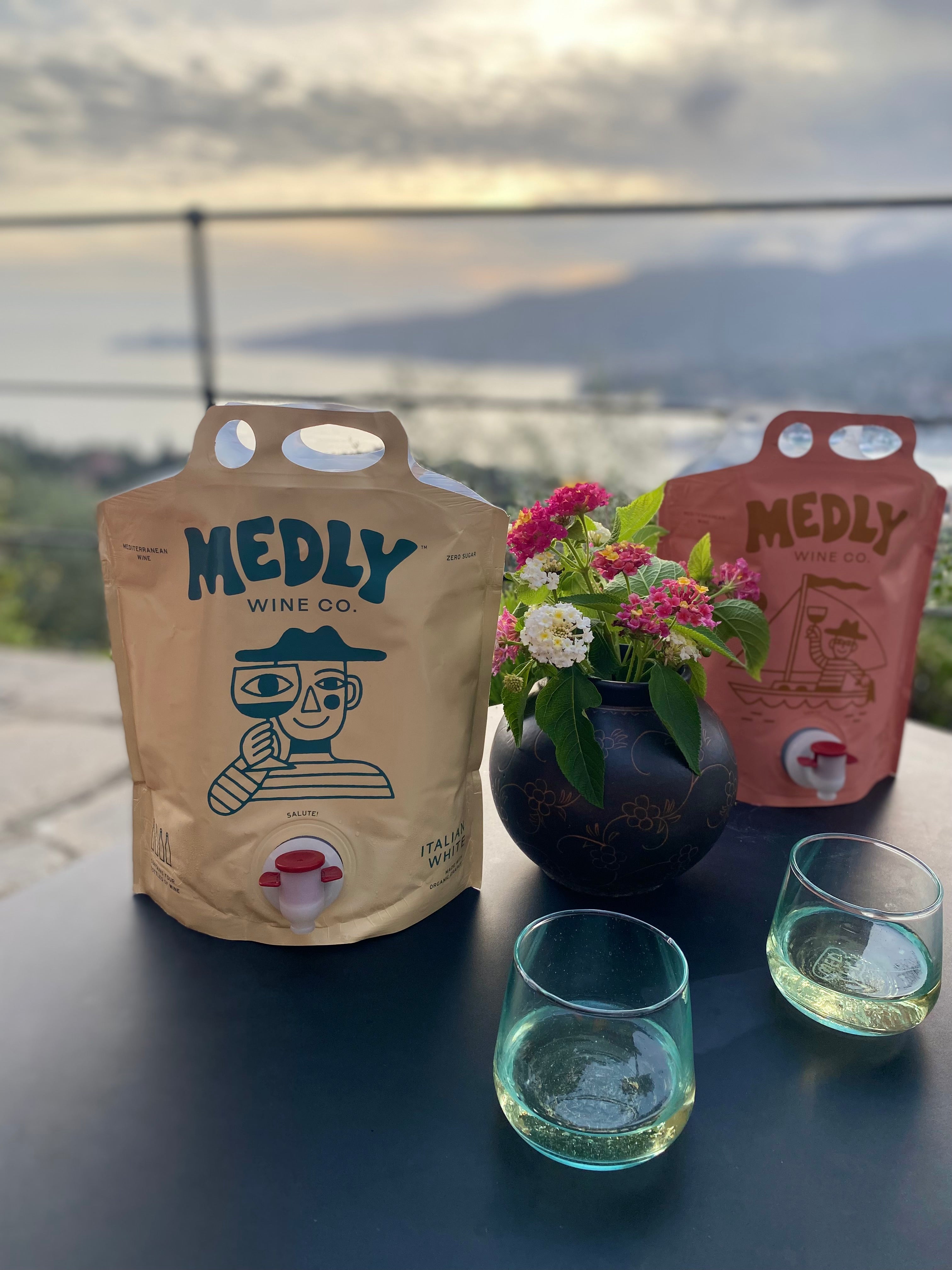
Most wine is naturally gluten-free. The real challenge is choosing wine that’s also organic, low-sugar, and made without extras you didn’t ask for. Gluten-free organic wine has become a go-to for people who want their wine to feel as good as it tastes. A home cooked dinner on the table, a good song playing in the background, a pour that fits right in, and feeling just as good the next morning.
How to Choose Gluten-Free Organic Wine That’s Low-Sugar
Gluten-free organic wine is wine made from certified organic grapes, produced under organic standards, and typically gluten-free because it’s fermented from grapes, not grains. Gluten-free, low sugar wine usually means a dry style with little residual sugar and no added sugar.
Gluten-free wine is usually the default. What takes more effort is finding an organic and low-sugar wine that’s still delicious and made with standards you trust.
-
Choose certified organic wine: Organic should be a real certification, not a vague wellness hint.
-
Stick to dryer styles: dry reds, crisp whites, and dry rosés tend to be naturally lower in residual sugar.
-
Prioritize transparency. If a brand can’t clearly answer whether sugar is added or how the wine is made, that’s an answer in itself.
Then pick the wine you’ll actually want to drink again. Clean should never mean joyless.

Are Organic Wines Gluten-Free? Almost Always Yes
Because wine is made from grapes, most organic wines will be gluten-free by nature. The small exceptions come from uncommon production choices or from wine-adjacent products with added ingredients.
Most organic wines are gluten-free, but organic and gluten-free aren’t the same certification. Organic refers to farming and production standards. Gluten-free refers to whether gluten is present.
Where gluten questions come up is in edge cases, usually connected to production choices rather than the wine itself.
Some wineries use wheat paste to seal oak barrels. It’s not the norm, and it typically doesn’t transfer in meaningful amounts, but those with celiac disease or extreme sensitivity may prefer producers who avoid practices like this, or who can speak clearly about them.
The other place caution makes sense is wine-adjacent products. Flavored wine drinks, cocktail-style blends, and some specialty products may include added ingredients that are less predictable.
If you want high confidence, choose certified organic wines from brands that prioritize transparency and can clearly confirm their practices.
That’s one reason Medly Wine works well for mindful drinkers. The wines are certified organic, clean-label, and made in a way that keeps the experience simple, approachable, and easy to trust.
Gluten-Free Organic Wine
When looking for gluten-free organic wine, we often want a wine that’s simpler, cleaner, and easier to feel good about.
That typically includes:
-
Certified organic grapes grown without synthetic pesticides or herbicides.
-
No added sugar, or at least low residual sugar.
-
Lower sulfites, for drinkers who feel better with less.
-
Vegan production, since many conventional wines are clarified using animal-derived fining agents.
-
Sustainable practices, because eco-conscious production matters to a lot of modern wine drinkers.
None of this is extreme. It’s the new baseline for people who want everyday luxury without unwanted extras.
Gluten-Free Low Sugar Wine: The Sugar Part Is the One to Watch
Gluten usually isn’t lurking in wine. Sugar is more complicated.
Many people think that wine is always dry and low-sugar. But the truth is that sugar levels vary widely. Some wines contain more residual sugar by design, while others may taste smooth because they’ve been altered to feel plush and sweet.
If you’re looking specifically for gluten free, low-sugar wine, you want wines that stay close to the basics: quality fruit, dry fermentation, and no need for sweetening or overprocessing.
Dry wine doesn’t mean boring. It just means the sugars were mostly fermented into alcohol. The wine can still taste fruity, aromatic, and generous. It’s simply not sweet.
What Type of Wine Has the Least Sugar?
You can find low-sugar wine without overthinking it. The simplest rule is also the most useful: choose wines that are transparent about how they’re made. Brands that are proud of being clean will tell you. Brands that aren’t will distract you.
Wine packaging rarely spells out sugar levels, so you’ll need a practical approach. The description of the wine can signal sugar levels if they aren't called out specifically.
Dry reds are a strong starting point. They’re often naturally low in residual sugar and tend to feel more satisfying, which makes it easier to stick to one glass if that’s your goal.
Crisp whites are another reliable option, especially wines described as dry, fresh, and mineral-driven.
Dry rosés can go either way, so pay attention. Many mass-market rosés lean sweeter, even if the label doesn’t say it. A dry rosé will usually describe itself that way, and it will taste clean and crisp on the finish.
If a wine tastes noticeably sweet, it’s not the best fit for a low-sugar goal, even if the bottle looks minimalist and expensive.
What to Avoid When Shopping for Gluten-Free, Low-Sugar Wine
If your goal is a cleaner glass, there are a few categories that often miss the mark:
-
Wines marketed as “sweet,” “smooth,” or “easy” might mean that sugar is doing the heavy lifting.
-
Flavored wines and wine cocktails. These aren’t always problematic, but they’re less predictable, and they’re often sugar-forward. Always check the labels for sugar and carb claims.
-
Cheap wines are often sweeter versions of the style or varietal. When a wine tastes like it’s been polished into softness, that’s usually not an accident or natural.
And anything that leans on vague wellness language without actual specifics. If it’s all vibes and no details, it’s not really a clean-label product. It’s just clever branding.

How to Read a Wine Label Like You Have Better Things to Do
Wine labels can be charming and unhelpful at the same time. Here’s what’s worth scanning for.
Certified organic language is the big one. It’s your clearest signal that standards were followed from vineyard to production. Made with organic grapes is not the same claim as certified organic wine. Labels will often list both so make sure you know which is certified organic.
Style cues are next. Dry, crisp, fresh, and bright usually steer you toward lower sugar. Sweet, overly-lush, and smooth can point the other way.
Then look beyond the label. Brands that care about transparency usually answer the questions you’re already asking, like whether sugar is added, how sulfites are handled, and whether the wine is vegan. They are most-often open and transparent on their packaging and website because they want you to know the good they are doing versus companies that hide their practices.
That kind of clarity is the difference between confidently buying wine that works for you and guessing.
Why Certified Organic Is the Shortcut That Saves You Time
Certified organic wines come from grapes grown without synthetic pesticides and herbicides, and the certification process sets clear rules. For many wine lovers, that’s the whole point. Fewer unknowns and farming that’s better for soil and ecosystems.
Organic producers also tend to think long-term. Many use regenerative practices that support healthier soils and more resilient vineyards. In Mediterranean regions, that mindset often runs deep, because the land and stewardship are passed down through families.
Organic certification pairs naturally with gluten-free organic wine goals, and it’s one of the fastest ways to narrow the field confidently.
Sulfites: A Preference, Not a Reason To Panic
Sulfites exist naturally in wine; they are part of the grape-to-wine process. However, many producers also add sulfites for stability and shelf life.
Some people don’t notice sulfites at all. Others feel better when they’re kept lower. Choosing wines with lower sulfites can be a smart personal preference, especially when you’ve noticed certain wines leave you feeling off.
A clean-wine approach usually keeps sulfites in a sensible range. Enough to keep the wine stable and fresh, not so much that it overwhelms the experience for sensitive drinkers.
Vegan Wine: The Detail That’s Easy to Miss
Many conventional wines aren’t vegan because of fining agents used during clarification. These can include animal-derived ingredients, and they’re rarely disclosed on labels.
If vegan options are part of your lifestyle, look for brands that state it clearly. When a brand prioritizes transparency, vegan status is often part of the package.
Medly’s wines are all always vegan, which makes your decision easier.
Why Medly Makes Gluten-Free, Clean Wine Feel Effortless
Medly Wine is built around a clear belief: wine doesn’t have to be pretentious, intimidating, complicated, or expensive.
Medly sources certified organic wines from multi-generational family estates in France and Italy, including Sicily, working directly with growers in historic Mediterranean regions. The wines are made to be accessible, high-quality, and easy to enjoy without learning a new vocabulary.
They’re packaged in eco-friendly 3-liter pouches - equal to about four traditional bottles - and uniquely designed to keep wine fresh for up to 45 days after opening. It’s practical in a way that suits real life.
For anyone who wants gluten-free, low-sugar wine that’s also certified organic, vegan, and made with regenerative practices, Medly stands out.
Medly Wines: Gluten-Free, Low Sugar, Organic Wine
Medly keeps the lineup focused, which makes choosing your next favorite wine easy:
Organic French Red: A velvety, fruity, and fresh blend of Malbec, Cinsault, Grenache Noir, Merlot, Carignan, Syrah, and Cabernet Sauvignon. It’s approachable and complex, with enough depth to feel special and enough ease to pour on a regular weeknight. In winter months, this is the equivalent of a good coat. It makes everything feel more put together.
Organic Italian White: A crisp, fruity, dry blend of Pinot Grigio and Inzolia, with Sicilian fruit bringing a bigger, more expressive character. Bright, refreshing, and clean on the finish. This is the one to keep on hand for easy dinners, salty snacks, and the first warm day that tricks you into thinking spring is close.
Organic French Rosé: A blend of Merlot, Grenache Noir, Syrah, and Cinsault, balanced in fruit and acidity. Dry with a crisp, lingering finish, fresh and bright without drifting sweet. If you’ve ever been disappointed by a rosé that tasted like candy, this is your reset.

The Point of Clean Wine Is Still Enjoying Your Life
A mindful routine doesn’t have to be strict. It can absolutely include a glass of red with dinner or even stocking up for a gluten-free celebration.
The best gluten-free and low sugar wine is the one that makes you feel good in the moment and the next day. It should taste like real grapes from real places. That’s the Mediterranean approach. Less fuss, better ingredients, and wine that fits naturally into your life.
Consider this your official permission to stop overthinking wine. Medly keeps it clean and straightforward. Try Medly’s certified organic wines to see how good gluten-free, low sugar wine can be.
Gluten-Free, Organic, and Low-Sugar Wines FAQs
What is the healthiest wine you can drink?
“Healthiest” depends on your body and your goals, and wine is still alcohol, so there’s no magic label that turns it into a wellness product. But if you’re choosing wine as mindfully as possible, the healthiest option is usually the one that’s dry, made without added sugar, certified organic, and produced with fewer additives.
For many people, that looks like a dry red, dry white, or dry rosé from a transparent producer. Certified organic standards reduce exposure to synthetic vineyard chemicals, and low-sugar choices help avoid the sweet styles that can feel heavier or lead to bigger swings in how you feel later.
The best “healthy” move is often about the pattern, not the perfection. Choose better quality wines like Medly, drink with food, savor it slowly, and keep it easy.
Is there less sugar in organic wine?
Not always. Organic certification is about how grapes are grown and how the wine is produced under organic standards. It doesn’t automatically guarantee lower sugar but most certified organic wines (especially from European countries) are considered dry and are naturally low in residual sugar.
With the above in mind, organic can still help you find lower-sugar options more easily. Certified organic producers are often more aligned with minimal intervention and cleaner winemaking choices, and those brands are more likely to speak clearly about no added sugar and low sulfites.
What is the best gluten-free wine?
The best gluten-free wine is the one that’s actually just wine, made from grapes, without mystery add-ins or fuzzy claims. For a gluten-free option that fits a clean, low-sugar routine, lean toward certified organic, dry styles with no added sugar, lower sulfites, and vegan production. Medly Wine checks those boxes with certified organic wines from family estates in France and Italy