You know that feeling when you’d love a glass of wine but hesitate because you don’t really want a sugar bomb? You aren’t alone. Many of us are looking for sugar-free wine because we want something that tastes clean, feels good to drink, and doesn’t come with any mystery ingredients hiding behind clever language. And honestly, that’s not being dramatic. That’s just being aware.
Sugar-Free Wine: What Does It Really Mean?
Sugar-free wine exists in the way most people think about it. Wine with so little sugar per serving that it qualifies for a sugar free style claim. In the U.S., alcohol beverages can claim sugar free or zero sugar status if a serving contains less than 0.5 grams of sugar.
That’s the label-language version. The real-world version is simpler. It’s dry wine that doesn’t taste sweet.
How Is Zero Sugar Wine Made?
Wine starts as grapes, and grapes naturally contain sugar. Yeast is added to the grape juice, which converts the natural grape sugars into alcohol during fermentation. If fermentation goes to completion (common in many dry styles), the wine ends up with very low sugar, known as residual sugar.
What sugar in wine actually is
Residual sugar can happen when fermentation finishes naturally before every last bit of grape sugar is consumed, or because fermentation is stopped unintentionally by winemakers to keep a desired level of sweetness.
What is avoidable is adding extra sugar during winemaking. That’s why the term sugar-free can feel confusing. Many sugar free wines are made with no added sugar and fermented dry, leaving only tiny amounts of natural residual sugar behind.
Here’s the quick version:
-
All wine begins with grape sugar.
-
During fermentation, yeast turns the naturally occurring grape sugar into alcohol.
-
A wine that ferments fully ends up dry, with very low residual sugar.
Sugar-free wine isn’t a trick. It’s just fermentation doing its job.

Is There Such A Thing As Wine Without Added Sugar?
Absolutely, wine without added sugar usually means no sugar was added during production. That doesn’t automatically mean the finished wine is sugar-free, but it’s a good start. Here’s how added sugar can show up, and why it matters:
Chaptalization (sugar added before fermentation)
Some regions allow adding sugar to grape juice before fermentation to raise the potential alcohol. The intent is to help yeast produce more alcohol, not to make the wine taste sweet. Even so, it’s still sugar added during production, and it’s part of why no added sugar appeals to label-readers.
Sweetening after fermentation
This is where things get sticky. Some wines are adjusted after fermentation to taste sweeter, sometimes using grape concentrate or other sweetening methods. These wines can taste smooth and easy, but they’re rarely what someone means when they’re searching for a sugar-free option.
Wine without added sugar is definitely a thing. But “no added sugar” is not the same promise as “sugar free”.
Wine Without Sugar Vs Low Sugar Wine Difference
The wine without sugar vs low sugar difference is mostly about how dry you want your wine to taste.
Wine without sugar is as dry as wine gets. Low sugar wine is still dry-ish, but it can have a small amount of leftover sugar that changes how it tastes. Both can fit into a cleaner wine lifestyle, but they’re not the same thing in your glass. One drinks crisp and refreshing. The other drinks a little softer and rounder.

Is There Really Zero Sugar Wine, Or Is It Just Marketing?
If you mean absolute, lab-certified, no-molecule-left-behind zero, that’s rare. Fermentation is a natural process, and nature isn’t always perfect to the decimal point.
If you mean the kind of wine that tastes dry, isn’t sweetened, and doesn’t drink like juice, then yes. That kind of sugar free wine is very real.
When most people ask about sugar-free wine, they mean one of two things: Wine with no sugar added during winemaking or wine with little to no residual sugar left after fermentation.
So, is there such a thing as wine without added sugar? Yes, absolutely. Many high-quality wines never add sugar at any stage. The harder part is finding a wine that’s both made with no added sugar and truly very low in residual sugar. Sugar-free wine can be:
-
A cleaner-tasting, drier style you genuinely enjoy
-
A smarter pick if you’re avoiding sweetness, additives, or mystery labels
-
A way to drink what you like, with fewer surprises
If you’re trying to drink in a way that feels good for your body and your brain, you’re not being high-maintenance. You’re paying attention. And that’s a good thing.
Sugar Free Organic Wine
Organic certification is about how grapes are grown and what’s allowed in production. It’s valuable, but it doesn’t automatically mean the finished wine is sugar-free. You can find organic wines across the sweetness spectrum.
Organic answers one question. Sugar-free answers a different one.
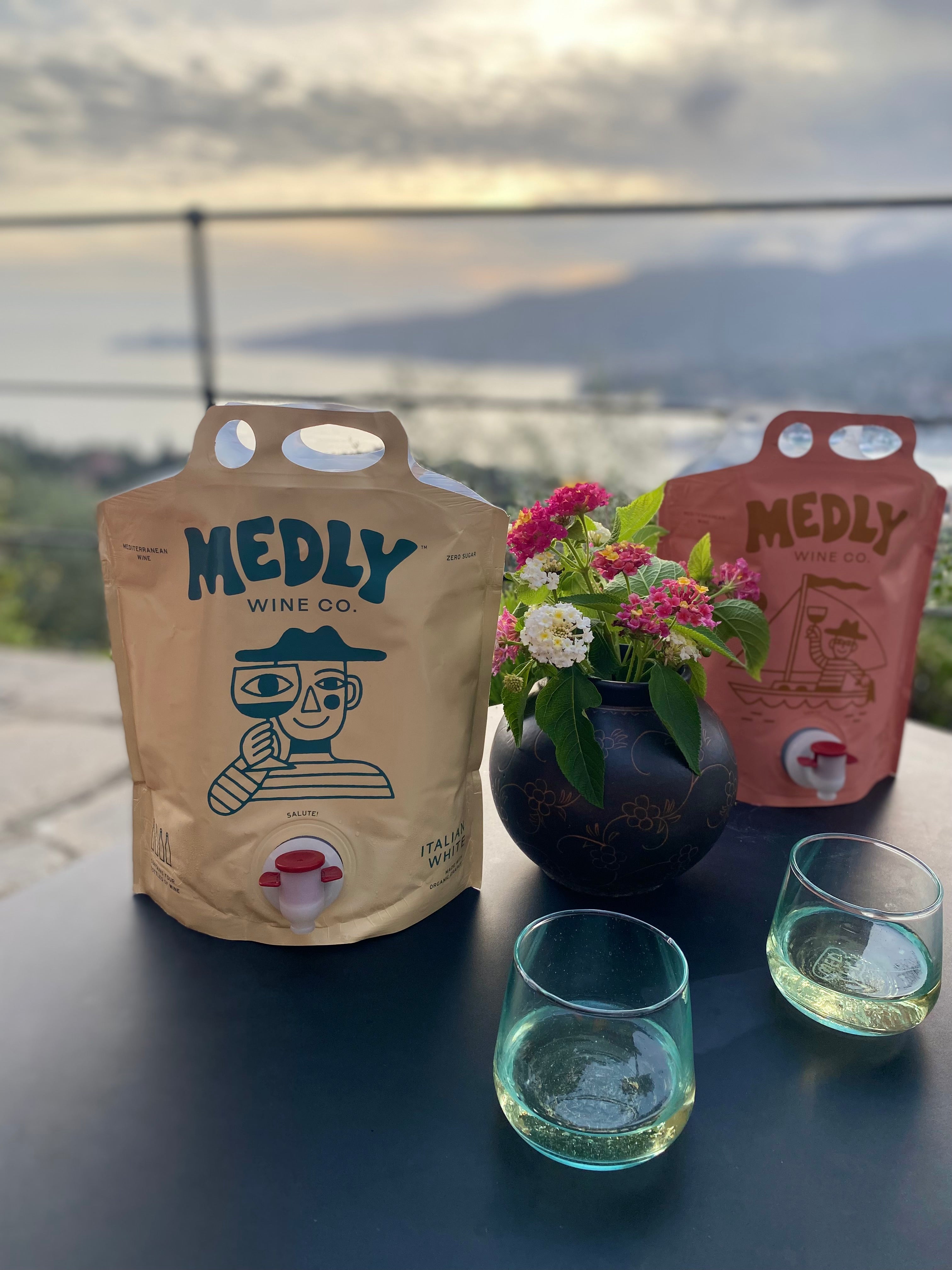
Organic sugar-free wine exists, and it’s a sweet spot for people who care about what goes into their glass. This is exactly where Medly lives. Every Medly wine is 100% certified organic, sourced from family-run vineyards in Mediterranean regions like France and Sicily, and made without the unnecessary extras that make wine feel complicated.
Sugar Free Gluten Free Wine
If you’re shopping for sugar free AND gluten free wine, the same rule applies as sugar-free in general: trust clarity over clever marketing. Look for wines made from 100% grapes, skip flavored wine-based drinks, and choose producers who can back up their zero sugar claims with real numbers. It’s one of those areas where simple is better.
Medly wines are sugar free, gluten free, and certified organic, which makes them a great option if you’re looking for something clean, simple, and easy to feel good about. One less thing to overthink, which is kind of the whole point.
Is Sugar-Free Wine Better for You?
It can be, depending on what you mean by better.
If you’re trying to cut back on sugar, avoid overly sweet wines, or choose something that feels lighter and cleaner, Sugar-Free Wine is often a smart pick. That said, sugar-free doesn’t magically make wine a wellness product. Alcohol still affects your body, regardless of how much sugar is in the glass.
So yes, sugar-free wine can be better for you if sugar is the part you’re trying to avoid. Just think of it as a cleaner choice within wine, not a free pass.

How To Find A Truly Sugar Free Wine Option
If you want a practical checklist that works in stores, online, and at dinner parties, this is it.
Look for sugar claims on the label:
Remember, Sugar-Free / Zero-Sugar labels are tied to the less than 0.5 grams per serving threshold, and it should come with Serving Facts or average analysis. If you see splashy zero sugar marketing with no numbers anywhere, treat it like a headline, not a fact.
Reach for style cues that usually correlate with very low sugar:
Not perfect, but helpful:
-
Bone-dry reds and crisp dry whites often land low in residual sugar
-
Brut Nature and Extra Brut sparkling are your best friends if you want minimal sugar in bubbles
Choose wine that doesn’t make you guess
If you want sugar-free wine, look for brands that lead with transparency, not vague buzzwords. That’s what Medly is built on. We source certified organic wines from multi-generational family estates in the Mediterranean, and we keep our standards clear.
It’s wine that fits into your (sugar-free, gluten-free, vegan, Keto, organic, sustainable) lifestyle.
Skip the guesswork, choose Medly wines.