Red wine in winter feels like the quickest way to make a cold night in feel intentional. The best wine for winter tastes clean, feels comforting, and pairs with the foods we actually cook when it’s cold. A pot of pasta. A sheet pan of roasted vegetables. A simmering soup that makes your place smell like you’ve got a Mediterranean auntie somewhere cheering you on.
That’s where a great French red wine comes in, especially one rooted in Mediterranean winemaking traditions: cozy, a little elevated, and very “stay for one more bite.”

French Red Wines: The Best Wine For Winter
Cozy doesn’t have to mean heavy. Red wine in winter works best when you match the wine’s feel to your night:
-
For cozy comfort nights, look for velvety reds with plush fruit.
-
For roasts and richer dishes, look for structure.
-
For pasta nights and tomato-forward dinners, look for bright acidity and a juicy finish.
The winter red is a French blend like Medly’s Organic French Red, a Southern France-inspired mix featuring Malbec, Cinsault, Grenache Noir, Merlot, Carignan, Syrah, and Cabernet Sauvignon. That lineup delivers warmth, smooth texture, and freshness, all at once.
What Are Winter Wines?
Winter wines are simply wines that feel especially good during the colder months of winter. When people say red wine in winter feels ‘warming’, they’re talking about a few things happening at once.
First, winter food is richer. Roasted vegetables get sweeter and deeper. Sauces get slower and silkier. Soups turn into full meals. Winter wines tend to pair easily with those flavors because they often bring darker fruit notes, gentle spice, and enough structure to hold their own next to savory dishes.
Second, red wine is usually enjoyed at a softer temperature than an icy drink, which makes it feel more comforting when your hands are maybe still cold from being outside. It’s a small detail that changes the whole experience.
Third, winter is the season of everyday luxury that looks like candles on the table, a good playlist, and the feeling that dinner is the main event. A French red wine that’s built for food and conversation fits right into that rhythm.

The Classic Red Wine In Winter: A French-Style Blend
A Mediterranean-leaning French red blend is winter-friendly because it’s built for the table. Southern France traditions often center on blends, not single-grape wines, and that’s great news for winter drinking. Blends can be smooth, layered, and balanced without feeling too heavy for a second glass.
A blend featuring Malbec, Cinsault, Grenache Noir, Merlot, Carignan, Syrah, and Cabernet Sauvignon is especially strong in colder months because each grape contributes something useful:
-
Malbec adds plush, dark fruit and a velvety feel.
-
Grenache Noir brings warmth and juicy red fruit.
-
Syrah adds spice and savory depth that loves roasted food.
-
Merlot rounds everything out so it stays smooth.
-
Cabernet Sauvignon adds structure so the wine doesn’t disappear next to hearty dishes.
-
Carignan brings character and a grounding backbone. Cinsault lifts the blend with freshness, keeping it lively.
This is the kind of French red wine that works for easy weeknight dinner pairings or hosting your family for a celebration. It feels elevated, but it stays approachable. That’s the whole point.
What Wine Is Good In The Winter?
The best wine for winter is the one you actually want a second glass of because it pairs so perfectly with your winter menus. Let’s look closer at the winter wine categories that consistently hit the spot, starting with the most versatile.
Velvety Malbec-Forward Reds For Comfort Food Nights
If your winter menu includes mushrooms, roasted squash, lentils, baked pasta, or slow-cooked sauces, Malbec-forward reds tend to feel like the right move. They often land plush and smooth, with dark fruit and gentle warmth that fits cold weather.
In blends, Malbec becomes even more winter-friendly because other grapes bring brightness and spice. You get comfort without a heavy finish, which is ideal for red wine in winter when you want something satisfying, not sleepy.
Syrah-Driven Reds For Spice, Depth, And Hearty Meals
Syrah shines in winter because it brings a savory edge alongside dark fruit and spice. It’s an easy pairing with stews, roasted meats, sausage, and charred vegetables. If your dinner has browned edges, Syrah usually shows up ready.
In Mediterranean blends, Syrah often feels smoother and more food-friendly than a solo Syrah. Grenache Noir can soften the texture, Carignan can add structure, and the result tastes rich while staying relaxed.
That’s a great formula for the winter-friendly reds when you’re cooking something bold.
Cabernet-Led Reds For Structure With Roasts And Rich Dinners
Cabernet Sauvignon is popular in winter because it has structure and depth. It tends to pair well with roast chicken, richer sauces, hearty pastas, and cheese spreads that lean aged and salty.
Cabernet can feel intense on its own, but in a blend, it often becomes more welcoming. Merlot can soften it, and Grenache Noir can add warmth and ease. If you want red wine in winter that feels polished without feeling stiff, Cabernet in a blend is a smart choice.
Grenache Noir Blends For Easy Winter Sipping
Some winter nights are about comfort, not complexity. Grenache Noir is perfect for those nights. It often brings juicy fruit and a warming feel that stays easy to drink.
Grenache Noir helps a wine stay friendly and social. It’s great for casual hosting, weeknight dinners, and lingering at the table when you’re not in a rush to do anything else.
Carignan And Cinsault: The Grapes That Keep Winter Reds Fresh
Winter reds can sometimes feel heavy, especially if they lean overly sweet or overly oaky. Carignan and Cinsault help balance that.
Carignan adds rustic structure and character. Cinsault adds lift and brightness. Together, they help a French red wine blend stay fresh and food-friendly, which is exactly what you want when the meal is rich and the night is long.

The Best Winter Wine Is Medly’s Organic French Red
If you want a winter red that feels cozy but still fresh, Medly’s Organic French Red is a strong pick, especially for weeknight dinners, casual hosting, and anyone who likes smooth reds without a heavy finish.
In the glass, it leans velvety and fruit-forward with dark berry notes, a touch of warm spice, and a smooth finish that stays easy with food.
If you shop with intention, Medly likely fits your goals: all Medly wines are certified organic, always vegan, made without added sugar, and kept low in sulfites. It’s a great fit for people who want a more transparent pour without giving up flavor.
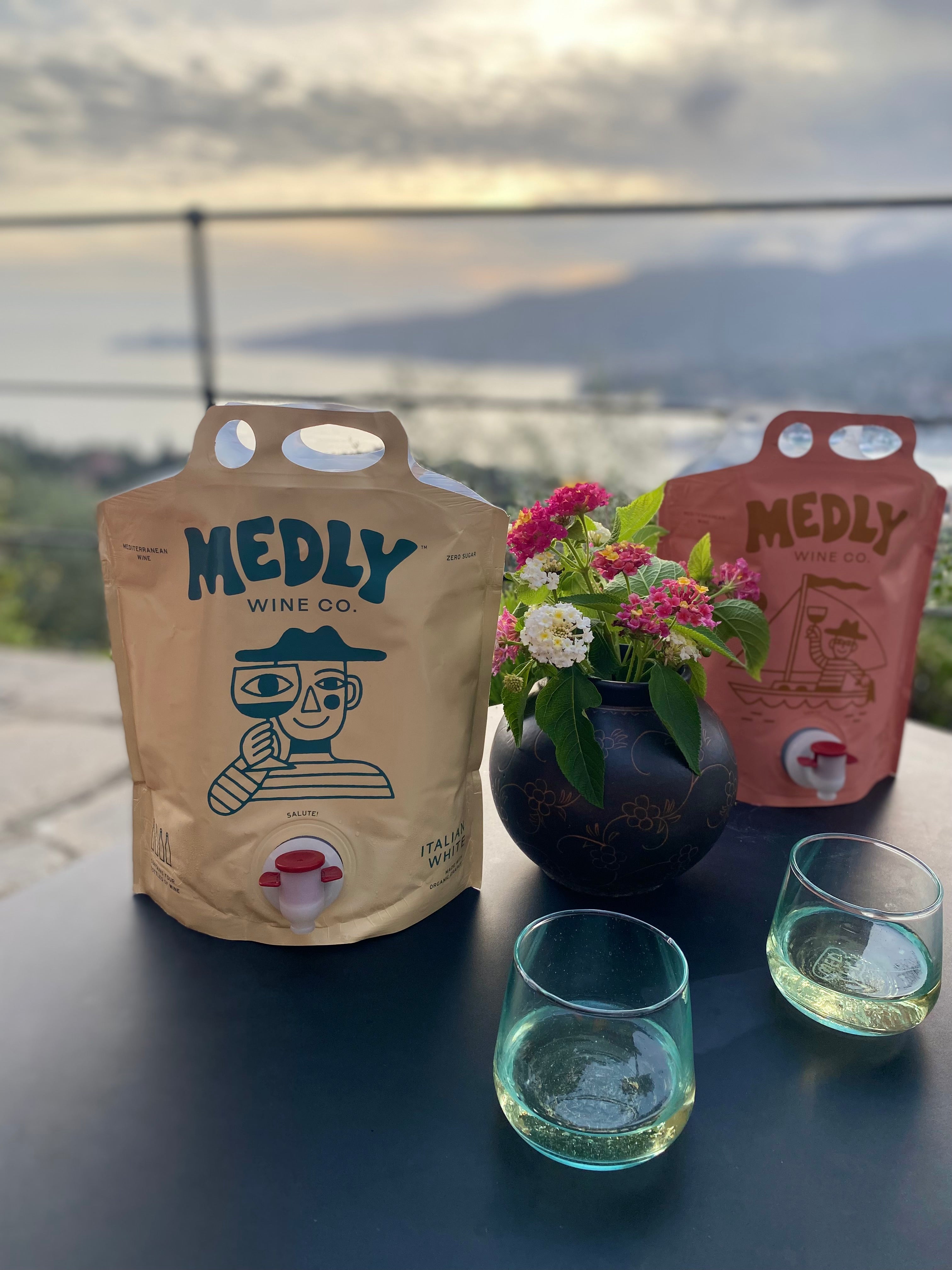
The packaging is also practical in winter, especially if you like having a red wine on hand for weeknights. Medly’s 3-liter eco-conscious pouch stays fresh for up to 45 days after opening. That means you can pour a glass on a Tuesday and come back to it later without feeling like you need to finish a bottle quickly.
It also reduces waste compared to traditional glass packaging, which fits a sustainability-minded lifestyle without asking you to sacrifice quality.
Red wine in winter doesn’t need to be intimidating. It should feel easy, taste clean, and elevate your experience. If you want the winter red that hits the sweet spot between cozy and fresh, Medly’s Organic French Red is the blend to reach for.