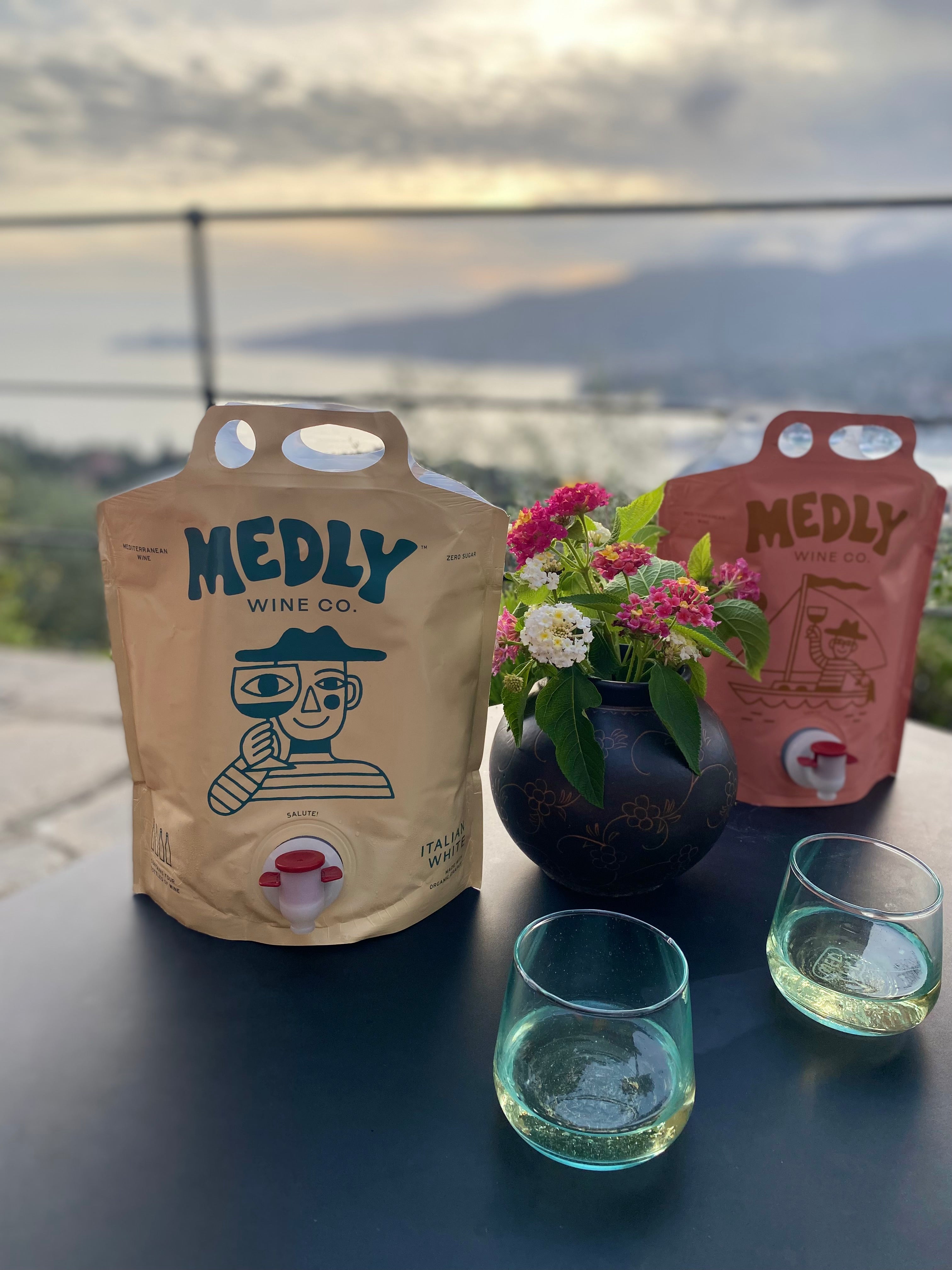
Sulfites are highly-debated in the wine world (mostly by consumers) and are a frequent topic in wellness conversations. Sulfites often take the blame when someone wonders if wine caused their latest headache. The truth is different than what you might think.
Let's talk about it.
What Are Sulfites in Wine?
Sulfites are naturally occurring compounds that are found on grape skins and also form during fermentation. When the yeasts turn grape juice into wine, that process creates a small amount of sulfur dioxide as a byproduct. Even wines that have "no added sulfites" still contain a small amount naturally.
Sulfites protect wine from contaminants and oxidization, keeping the wine fresh while in its package. It also protects against unwanted bacteria. To completely remove sulfites requires a process that most wineries do not use since they are safe at low levels.
When a label says “no added sulfites,” it signals that nothing was added and the wine only contains an amount that is naturally occurring. It does not mean the wine is sulfite-free. These wines will usually have between 40 - 80 ppm, depending on type and varietal.
Why Winemakers Add Sulfites
Winemakers add additional sulfites to prevent spoilage, preserving flavor and aromas. Knowing the amounts used in your favorite wines is difficult since wineries are not required to provide that information.
Producers (like Medly) who only practice organic and minimal intervention winemaking use less sulfites. Sulfites used sparingly keep wines fresh without presenting any negative affects for 99.9% of consumers.
Medly wines are made with certified organic Mediterranean grapes and have no additional additives. Medly wines are produced often and spend less time in package compared to most wines on retail shelves today. This requires less to maintain freshness and Medly wines average around 30 - 40 parts per million (ppm) of total sulfites. Most organic wines have around 100 ppm (still considered low). Conventional wines (non-organic) are legally allowed up to 350 ppm. Most conventional U.S. wines contain an average of 200 ppm, with red wines containing less than whites.

Naturally Occurring Sulfites
Natural fermentation usually creates somewhere around 10 - 40 ppm of sulfites. When sulfite additions are made for stability, most conventional wines finish somewhere between 150 - 200 ppm. Those values (though much higher than Medly wines) are still under the conventional limits.

Sulfite Levels by Wine Type
Red Wine
Conventional red wines typically contain 50 to 150 ppm of total sulfites. Tannins and pigment compounds in reds act as a natural shield, requiring less added sulfur.
Medly Organic French Red has between 30 to 40 ppm, which is low—even for organic wines.
White Wine
Conventional white wines typically contain between 100 and 200 ppm. White grapes do not have the same levels of naturally protective tannins, making them more vulnerable to oxidization and spoilage. Since most wineries package their white wines to be stable for 1 -2 years, more sulfites are required when compared to reds.
Medly Italian White contains 40 to 60 ppm. This is low for even organic white wines. We package our wines often and move through our inventories quickly by shipping directly to our customers. Our wines do not sit on retail shelves or in storage for many months before you consume them. By keeping the time in package to a minimum, we can use less sulfites compared to most other wineries.
Rosé Wine
Rosé wines are consistent with white wines and typically contain 100 - 200 ppm. Rosé wines are made from red wine grapes, but are processed like white wine. Because rose wines do not ferment on their skins like red wines, they have less natural protections are require a bit more to stay fresh.
Medly Organic French Rosé contains between 40 - 60 ppm.
Sparkling Wine
Sparkling wines tend to sit higher on the sulfite scale, ranging 130 to 350 ppm. Like still white wines, sparkling wines don't have the natural antioxidant protections that red grapes have. Sparkling wines typically contain more sugar (naturally and added) which required additional sulfites to prevent re-fermentation in the bottle.
Dessert Wine
Dessert wines (sweet wines) have the highest levels due to the sugar levels that require more protection from re-fermentation and oxidization. The common range is between 250 - 350 ppm.
Sulfites and Health:
For most wine lovers, sulfites at safe levels are not causing headaches or other unwanted side affects. Histamines (from tannins for some people), total alcohol intake, hydration, and food choices all tend to have a much bigger influence on how you feel the next day.
It's important to remember that conventional wines can use up to 76 ingredients in the winemaking process that are not required to be disclosed on wine labels. Many are known toxins and chemicals that were not originally designed for human consumption. These ingredients, paired with the pesticides and herbicides that are in conventional wines, are the likely causes for unwanted side affects of drinking moderate amounts of wine.
Medly wines are made naturally, without any of the allowable additives that conventional wineries use. Our wines are made using organic grapes, yeast, and minimal sulfites. That's it.
Eating real food with your wine, pacing your pours, and drinking water will usually make a bigger difference than swapping one low-sulfite wine for another.
Also keep in mind that a handful of dried fruit and certain packaged snacks can contain 10 - 100 times more sulfites (dried apricots can have 3,000 ppm) than a typical glass of wine. If those foods sit well with you, standard sulfite levels in wine are usually not a concern.
How To Minimize Your Wine Sulfite Intake
Organic and minimal-intervention wines are your best options. Organic wines are limited to 100 ppm so you know you'll always be consuming less than conventional wines.
Transparency from wineries is important, but unfortunately it's not required by law. Many producers share their approach and share sulfite levels and ingredients on their websites or tech sheets. Look for wines from wineries that believe in transparency. If they aren't sharing their practices, then it's safe to assume they are using applicants in the vineyards and ingredients in the winemaking process that they don't want you to know about.

Summary:
Sulfites are naturally occurring on grape skins as nature's way of preserving and protecting fruit. They are a naturally occurring byproduct during natural fermentation. When used in safe levels, they are harmless for most people.
Choose organic when buying your wine and look for wineries that stand by their practices and share those practices. Medly wines are a good example and we are pushing for more transparency requirements for the industry as a whole.
explore the Medly collectionuild your Medly bundle and enjoy low-sulfite, zero-sugar wine from Mediterranean vineyards.
To happiness and health!
Aaron