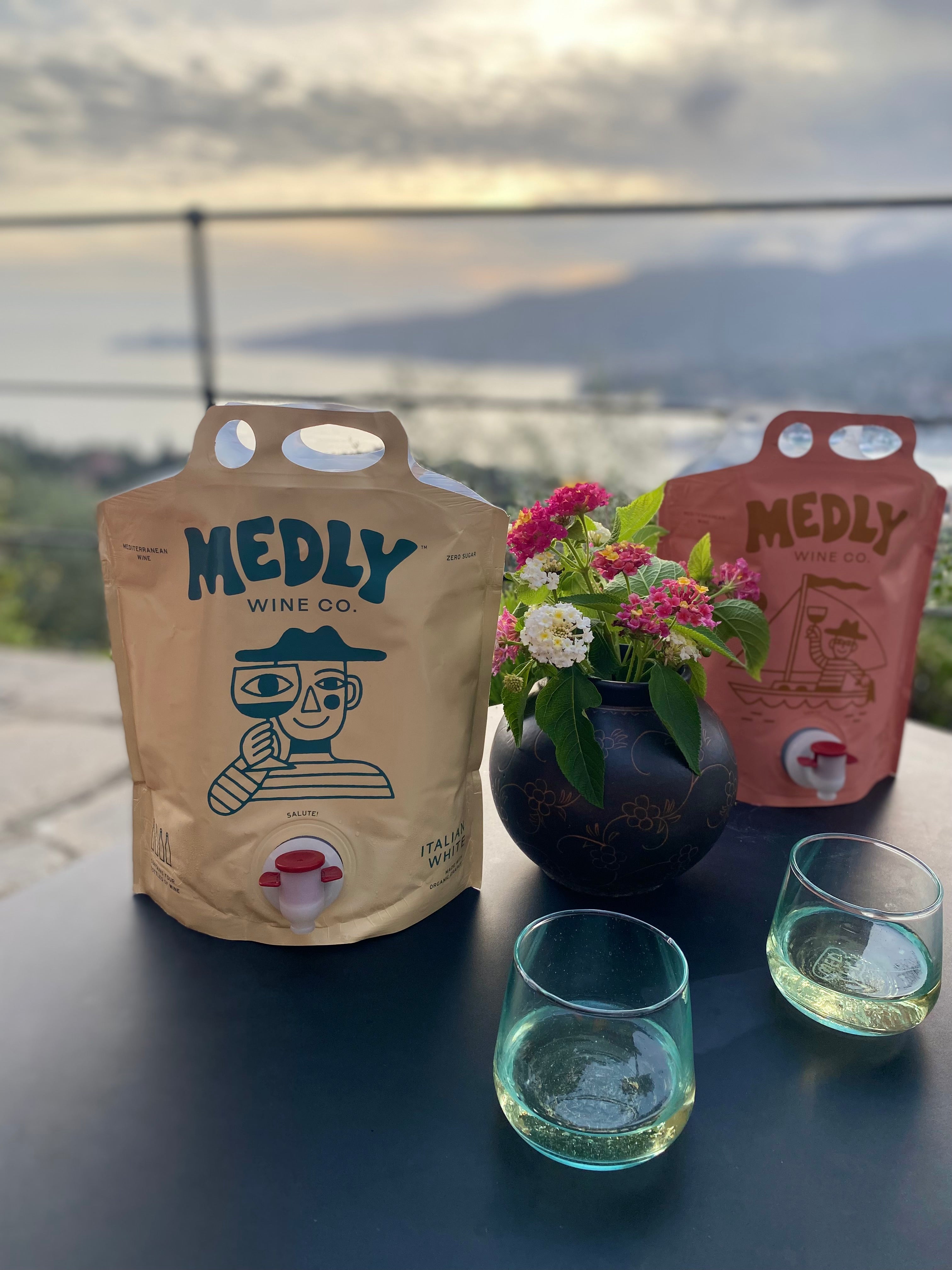
Medly Wine Co. – Mediterranean Organic Wine for Modern Lifestyles
Introduction
You’ve seen the words organic wine everywhere — on shelves, in ads, maybe even on your favorite pouch. But what truly separates organic wine from conventional bottles?
I’ll reveal the real differences — from how the grapes are grown to how each sip makes you (and the planet) feel. Because at Medly, organic isn’t a buzzword. It’s a promise: crafted cleanly, enjoyed consciously, and made for modern life.
1. What Makes a Wine “Organic”?
Organic wine starts in the vineyard: no synthetic pesticides, herbicides, or fertilizers. Certified by trusted organizations (like Ecocert France, USDA Organic, or EU Organic). Fermented with care — often lower sulfites, no added sugar, and minimal intervention. Medly’s approach: Our certified grapes are hand-harvested at night to preserve aromatics, then organically-vinified at low temperatures for purity and balance.
2. Conventional Wine: What You Don’t See on the Label
Large-scale production often means lots of chemicals in the vineyard and additives in the cellar. Conventional wines can include color stabilizers, acid adjusters, and even artificial flavors — all within legal limits but rarely disclosed. These choices help create consistency, but often at the cost of authenticity.
3. The Key Differences — Sip by Sip
|
Category |
Organic Wine (like Medly) |
Conventional Wine |
|
Farming |
No synthetic pesticides or fertilizers |
Chemical pest control common |
|
Additives |
Minimal, natural stabilization |
Dozens of additives allowed |
|
Flavor |
Reflects terroir and freshness |
Often standardized |
|
Sustainability |
Soil-friendly, lower carbon impact |
Higher environmental footprint |
|
Shelf Life |
Naturally preserved |
Chemically extended |
4. Why Choose Organic: It’s Better in Every Sense
For You: Cleaner, more transparent ingredients — no mystery additives.
For the Planet: Supports biodiversity and regenerative farming.
For the Experience: Fresh, balanced flavor that actually tastes alive.
Bonus: Medly’s organic wines are vegan, low in sulfites, and contain zero sugars — so you can enjoy every pour without compromise.
5. What About Biodynamic and Natural Wines?
Biodynamic: Think of it as organic with a spiritual twist — lunar cycles, compost teas, and ecosystem harmony.
Natural: Minimal to no intervention from grape to glass, often unfiltered.
How They Relate: All biodynamic wines are organic; not all organic wines are biodynamic.
Medly’s stance: Balanced between purity and polish — clean, not cloudy. Crafted with integrity, not extremes.
6. Medly’s Philosophy: Organic Wine for Modern Life
Inspired by Mediterranean winemaking traditions — vibrant, sustainable, and effortlessly enjoyable.
Packaged in eco-friendly pouches that stay fresh for 45 days after opening — perfect for picnics, beach days, parties, or easy weeknights.
100% certified organic, vegan, low-sulfite, and zero-sugar.
Mediterranean Organic Wines — Made for Modern Lifestyles.
7. FAQs About Organic vs Conventional Wine
• Is organic wine really healthier?
In simple terms — yes, in the ways that matter most.
Organic wines avoid synthetic pesticides, herbicides, and chemical additives that can make their way into conventional bottles. That means fewer artificial residues and a cleaner fermentation process. While “healthier” isn’t a medical claim, organic wines tend to be gentler on the body — lower in sulfites, free from unnecessary additives, and made from grapes grown in living soils rather than chemically managed ones. Our bodies are very good at processing naturally-made, organic wines. The opposite is true for commercial wines that are full of chemicals. These chemicals and additives are unnatural and the body naturally rejects them—making you feel unwell in the process.
• Does organic wine taste different?
Absolutely — and that’s the beauty of it.
Because organic vineyards rely on balanced, healthy ecosystems instead of chemical shortcuts, the grapes reflect their true terroir — the unique soil, climate, and character of the place they’re grown. The result is fresher, more expressive flavor. At Medly, our organic wines are bright, clean, and balanced — crafted to taste alive, not manufactured.
• Can organic wines age well?
Yes, though the intent is often different.
Organic wines can age beautifully, especially those with strong natural acidity and careful cellar practices. However, many organic producers (including Medly) focus on freshness and vibrancy rather than long-term cellaring. Our wines are meant to be enjoyed in the moment — when the fruit is most expressive and the experience feels effortless.
• Are all organic wines vegan?
Not always — but Medly’s are.
Some wineries use animal-derived fining agents like egg whites or fish bladder to clarify wine. Organic certification doesn’t automatically exclude that. Medly’s wines are 100% vegan, clarified naturally, and made without any animal products from vine to pouch.
• How can I tell if a wine is truly organic?
Look for certification and transparency.
True organic wines will display a certification seal such as EU Organic, Ecocert, or USDA Organic — proof that both the vineyard and the winemaking process meet strict standards. Beyond the label, authentic producers (like Medly) are open about their farming methods, ingredients, and values. If it’s genuinely organic, they’ll proudly show you how and why.
Conscious Choices Taste Better
You don’t have to give up flavor or fun to drink clean. When you choose organic, you’re choosing craftsmanship, sustainability, and balance — values that make every glass more rewarding.
Explore Medly’s Organic Collection — premium Mediterranean wines designed for modern, mindful enjoyment.