Hosting special occasions is basically a love language, and planning the details is half the fun. If you’ve got a gluten-sensitive guest on the list, wine is usually safe, since most traditional wine is naturally gluten-free.
But, it’s important to know that a few styles of wine and production choices can introduce gluten through added ingredients or cross-contact. Which is not something your gluten-free guest wants to gamble with.
Once you know what to watch for, picking a gluten-free wine feels easy again, and you can get back to the fun of your special occasion.
What Makes A Wine Truly Gluten-Free?
Most wine is gluten-free by nature. Traditional wine is fermented grape juice. Gluten lives in grains like wheat, barley, and rye, not in grapes. So a standard, unflavored bottle of red, white, or rosé is generally a solid bet for a gluten-free table.
That said, some people are highly sensitive, and gluten can sneak in. But it’s not the grapes, it’s the extra stuff.
Some flavored or specialty wines include added ingredients that could contain gluten, especially when producers use flavorings, coloring agents, or sweeteners to create a specific profile. Wine cocktails, wine-based coolers, and dessert-style products are the most common places gluten can show up.
Another (rare) source is processing materials. Certain winery practices can introduce cross-contact risks, like shared equipment used for beverages that contain gluten, or additives used in small amounts during production. It’s not common, but it’s the kind of thing a highly sensitive guest likely cares about.
That’s why transparency is such a relief. When a brand is clear about sourcing, additives, and standards, choosing a gluten-free wine goes from stressful to simple.

How To Read Wine Labels For Gluten-Free Clarity
Wine labels can sometimes feel like they’re written for insiders. But you don’t need to be an expert to shop gluten-free.
Terms And Certifications To Look For
Start with clear “gluten-free” labeling when it’s available. Not every winery uses it, even when the wine is naturally gluten-free, but it’s a strong confidence booster for sensitive drinkers.
Next, look for certified organic credentials. Certified organic wine often comes with a tighter approach to inputs and processing, which tends to mean fewer surprise extras. It also aligns well with the way many modern hosts shop for gatherings: straightforward ingredients, high quality, and a sense of trust.
You can also scan for cues that suggest a minimal-additive approach. Producers don’t always list everything, but language around organic grapes, clean production, and transparent sourcing is usually a sign you’re in good hands.
Red Flag Ingredients To Avoid
Flavored wines are the biggest risk. Anything that reads like peach, chocolate, cake, cookie, etc., deserves a closer look, because flavorings can introduce gluten-containing ingredients.
Be cautious with wine-based beverages that look more like a mixer than wine. If it’s carbonated, sweetened, and marketed like a ready-to-drink cocktail, treat it as its own category and check for gluten-free confirmation.
For highly sensitive guests, cross-contact can be part of the conversation. A small winery might share equipment across different products, and that can really matter for someone with celiac disease.
When in doubt, choose a producer that leads with ingredient integrity and clear standards, and keep a second option available, like a certified gluten-free spirit or non-alcoholic choice.
Wine For Gluten-Free Guests
A lot has changed about hosting. People still want the food to be beautiful and the music to be right, but inclusivity has become part of good taste. Weddings, milestone birthdays, dinner parties, and holiday tables today often include guests who avoid gluten, dairy, alcohol, or added sugar.
The goal is to make everyone feel comfortable joining the fun.
Gluten-free wine fits naturally into that kind of hosting. It’s familiar, social, and easy to serve. When it’s also certified organic and made with a minimal-additive mindset, it fits the “cleaner drinking” vibe many people are adopting in a way that feels grown-up, not preachy.
Why Certified Organic Helps When You’re Serving Gluten-Free Guests
Organic certification won’t automatically answer every gluten-related question, but it does offer verified standards and a brand that’s comfortable being specific.
When a wine is 100% certified organic, it signals tighter oversight from vineyard practices through production choices. It also tends to attract producers who value clarity, not loopholes.
For hosting, that clarity is everything. You want to pour, smile, and move on. You don’t want a ten-minute label debate in the kitchen while everyone else is clinking glasses.
Medly leads with certified organic integrity across every wine. No vague “natural” language. Just certification, Mediterranean sourcing, and wine that’s designed to fit actual life.
Choosing Gluten-Free Wines For Events
Let your event theme or your menu take the lead when choosing gluten-free wines for events.
Pairing Gluten-Free Wine With Your Menu
A dry white or rosé stays refreshing, and it won’t overpower the first course when people are still chatting and nibbling.
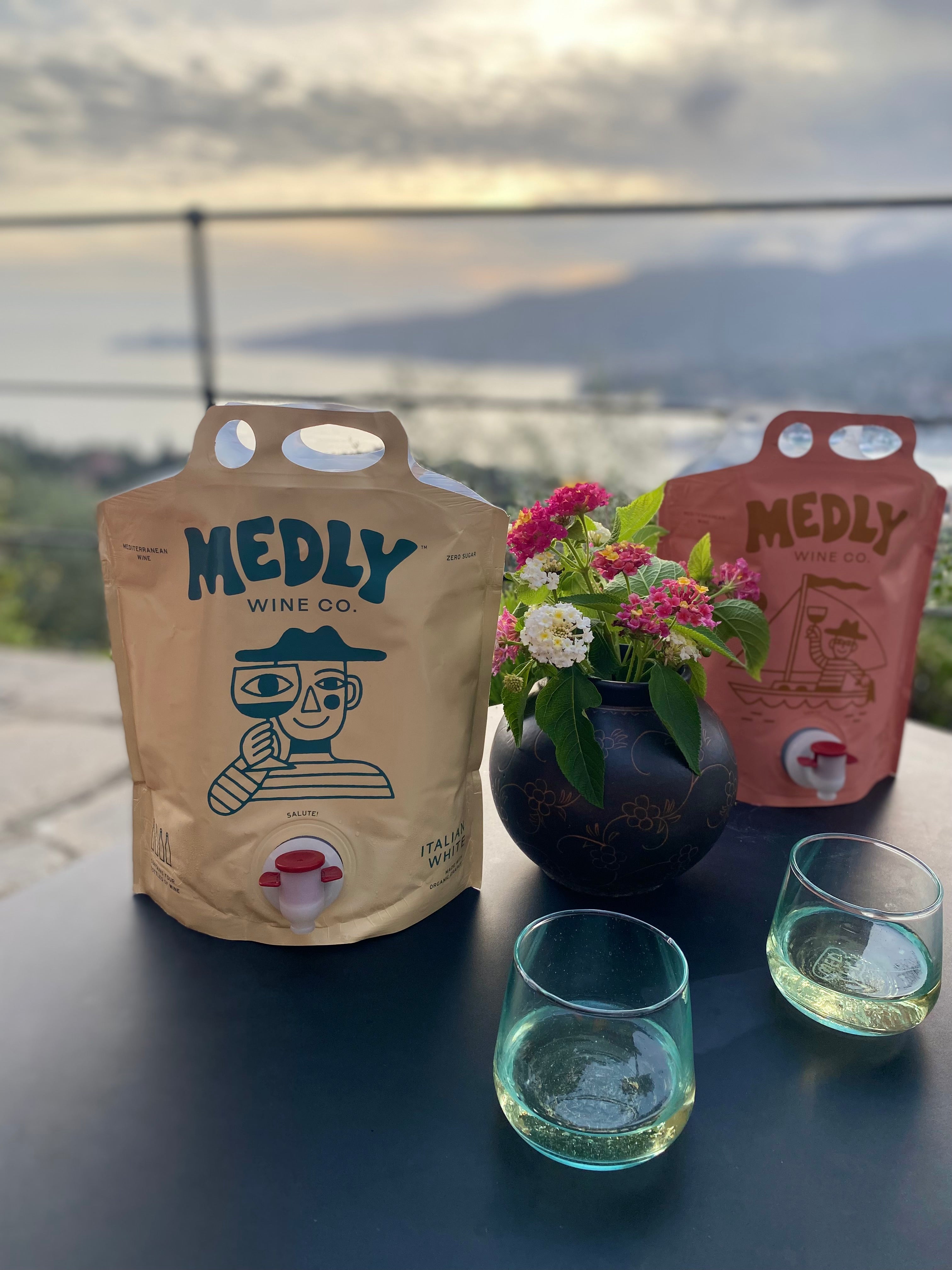
Medly’s Organic Italian White is fresh, crisp, fruity, and dry, which makes it a go-to for appetizers, seafood, salads, and lighter mains. It’s the kind of wine that disappears quickly at a party because it tastes bright and friendly without feeling basic.
Medly’s Organic French Rosé is dry with a crisp finish, and it can move from day to night effortlessly. For light appetizers like salty snacks, fresh dips, seafood bites, and grazing boards, lean crisp and bright.
For dinners and holiday tables, Medly’s Organic French Red brings a velvety, fruity, fresh profile with enough complexity to feel special. It can handle roasted meats, cozy sauces, and rich sides, while still staying approachable for guests who don’t want a heavy red.
Dessert is where people often overthink. You can go sparkling for a celebration. If your dessert is super sweet, pick something with enough acidity to keep the pairing from tasting flat.

Matching Wine Style To The Occasion
For an intimate dinner, Medly’s Organic French Red brings a cozy, food-friendly feel that still reads sophisticated. It’s the kind of red that works for a mixed table, including people who don’t live in bold wine territory.
For a weekend gathering Organic Italian White keeps everything crisp and fresh. It’s perfect for showers, brunch celebrations, engagement parties, and warm-weather gatherings where you want something pretty in the glass that still tastes serious. It also works beautifully as a first pour when guests arrive, because it feels welcoming without taking over the room.
For daytime celebrations, outdoor parties, and any event where the playlist is doing half the work, the Organic French Rosé hits that bright, dry sweet spot. It feels festive without turning sugary.
You don’t need to present all three options every time. One well-chosen wine can carry an entire occasion when it’s aligned with the menu and the mood.
Then there’s the packaging, which is honestly a hosting dream. Medly comes in an eco-conscious pouch, never a bottle. It’s easy to transport to rooftops, parks, rental venues, and friends’ houses; it cuts down on waste compared to heavier packaging, and you can set it up on our bespoke pouch stands for effortless chic serving.
Our pouch’s unique design limits the wine's contact with air - meaning even once opened, it stays fresh for up to 45 days. So the wine you serve at the party today still tastes great when you pour a glass later in the month.
How To Serve Gluten-Free Wines At Special Occasions
Serving well is where the whole experience clicks. It also helps you keep things safe for guests who are sensitive.
For temperature, chill whites and rosés so they taste crisp, then let them warm slightly in the glass. Reds usually drink best a little cooler than most homes keep them, so a short chill can make the fruit feel fresher and the finish smoother.
Avoid gluten cross-contact:
-
Use clean glassware, keep garnishes away from wine service, and do not reuse cocktail tools for pouring wine.
-
If you have beer at the same party, set it in a separate area, especially if you’re doing a self-serve station where spills happen.
-
When you’re accommodating multiple dietary needs, clarity beats perfection. A small sign that notes gluten-free options helps guests relax.
Having one zero sugar wine option, a gluten-free wine choice that’s clearly labeled (Medly is both!), and one non-alcoholic drink can cover a surprising range of preferences without turning your bar into a spreadsheet.
Medly’s Gluten-Free Wines Are Perfect For Celebrations
Medly wines fit special occasions for the same reason they fit real life. They’re 100% certified organic, sourced from family-run vineyards in France and Sicily, and made with a simple, transparent approach that lets the wine speak for itself.
They’re also a comfortable pick for gluten-free guests. With traditional wine made from grapes, you can pour without the side-eye at the label and keep the attention on the guests, not the ingredients. Stock your next celebration with Medly’s gluten free, zero sugar, Mediterranean wines.

FAQs
Are All Wines Gluten-Free?
Most traditional wines are naturally gluten-free because they’re made from grapes. The main exceptions are flavored wine products or wine-based beverages that include additives or ingredients that may contain gluten.
How Can Gluten Enter Wine?
Gluten can show up through added flavorings, specialty ingredients, or rare cross-contact during production. For highly sensitive drinkers, producer transparency and clear standards make a big difference.
Are Organic Wines Better For Gluten-Free Drinkers?
Certified organic wine can be a helpful choice because it often signals a more controlled approach to inputs and processing. Organic certification does not automatically mean gluten-free, but it pairs well with the type of transparency gluten-sensitive guests often want.
What Gluten-Free Wines Should I Serve For Holidays?
For a holiday table, a fresh, medium-bodied red is a strong pick for roasted dishes and comfort food, and a dry rosé can surprise everyone in the best way. Add a crisp white for appetizers and lighter plates, and you’ve got a lineup that covers most menus.
How Do I Pair Gluten-Free Wine With A Gluten-Free Menu?
Pair the same way you would with any menu: match lighter dishes with crisp whites or dry rosé, and go toward reds for richer mains. Gluten-free cooking often leans fresh and ingredient-forward, which pairs beautifully with wines that have bright acidity and clean fruit.