The best wines for brunch are crisp, light, and dry: Italian whites, dry rosé, and sparkling wines work with the meal, whereas heavier reds fight it. What you pour depends on what's on the table, and the guide below breaks it down by dish.
Brunch sits in a funny spot on the wine calendar. The food leans all over the place, from eggs Benedict and avocado toast to smoked salmon and fruit-loaded pastries, and the company is usually relaxed, unhurried, and ready for a second glass. Wine belongs here. You just need to know which ones actually work.
Why Brunch Calls for Different Wine Choices
Most brunch dishes share a few qualities: they're lighter, often built around eggs or cream, and they run savory-to-sweet across the table. That combination points you toward specific wine styles, ones that lean crisp, bright, or gently effervescent rather than heavy and tannic.
Fuller-bodied reds with significant tannins are a harder match at brunch. Egg-forward dishes are particularly challenging for tannic wines because the sulfur compounds naturally present in eggs interact with tannins in a way that can make both the food and the wine taste metallic or off. Whites, sparkling wines, and dry rosé are where brunch wine pairings find their footing.

Wine Pairings for Brunch, by Dish
Eggs Any Style: Crisp Italian White
Crisp, dry whites with good acidity work with eggs rather than against them. The acidity cuts through the richness of yolks and cream without clashing, and a lighter body keeps the pour feeling appropriate for noon.
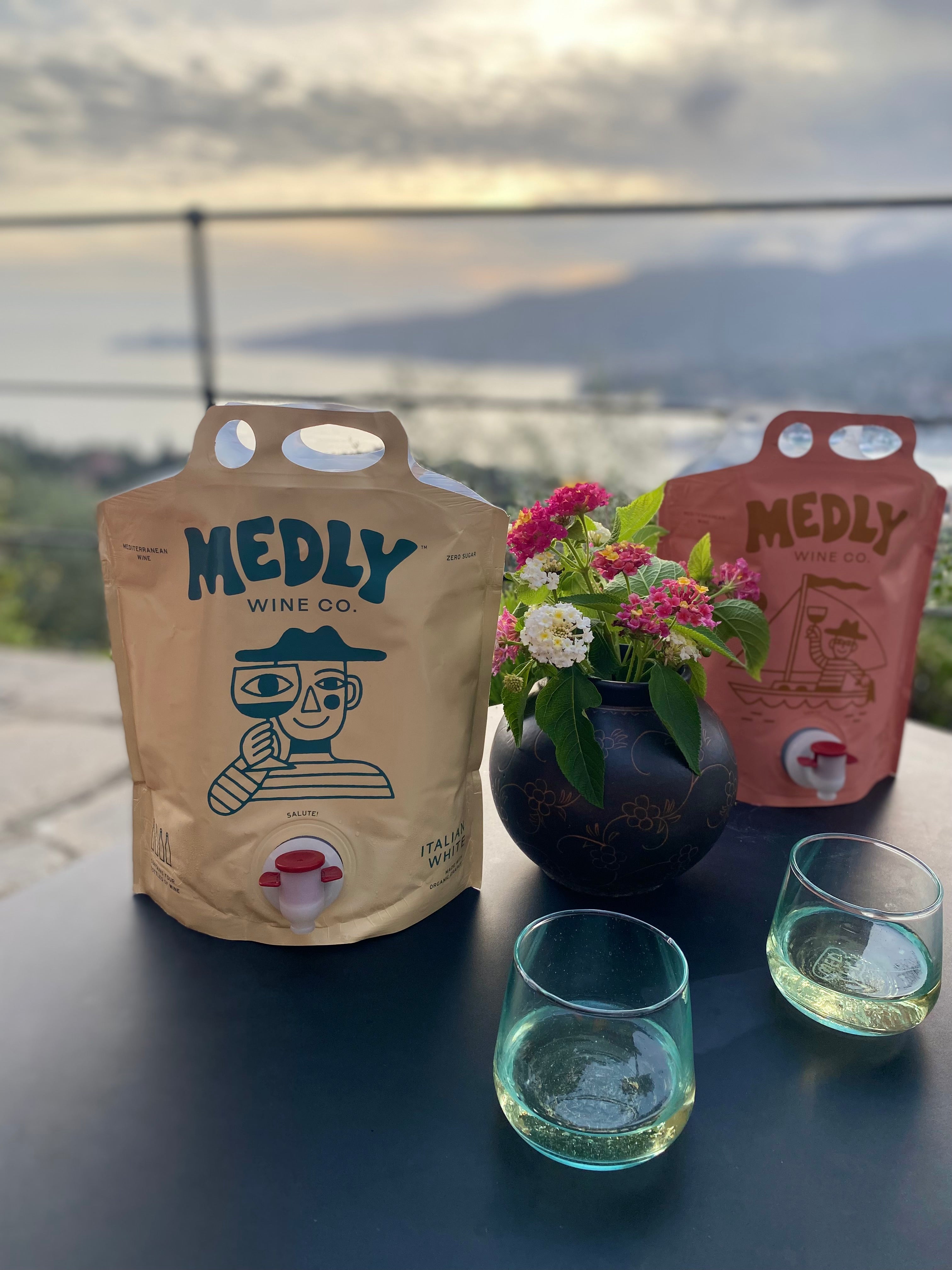
Pinot Grigio and Inzolia blends are ideal here. Bright and dry, with enough fruit to feel festive but enough structure to hold up to savory flavors. Medly's organic Italian White is made from Sicilian Pinot Grigio and Inzolia grapes, varieties that have been grown in western Sicily for centuries. Served chilled, it reads clean and refreshing against scrambled eggs, frittata, or an egg white omelet with herbs.
When I'm hosting a weekend brunch, this is the bottle that goes out first. It doesn't demand attention; it just makes the table feel like everything has a place.
For a broader look at Pinot Grigio, Sauvignon Blanc, and the other white styles that work well with lighter dishes, The Essential Guide to White Wine covers the full landscape.
Avocado Toast and Grain Bowls: Anything Light and Refreshing
Avocado-based dishes and grain bowls are lean and earthy. You want a wine that cuts through the richness without overpowering the fresh toppings. An unoaked white with citrus notes and clean acidity works well here.
Think bright and dry, with a flavor profile that tastes as if it came from somewhere sunny. Mediterranean whites fit that description naturally, and they're the kind of light and refreshing brunch wine that doesn't slow anyone down mid-morning.
Smoked Salmon and Seafood Plates: White or Dry Rosé
Smoked salmon pairs well with two things: crisp mineral whites and dry rosé. The smokiness of the fish and the richness of cream cheese or crème fraîche want something that cuts through cleanly. Dry rosé, with its palate-cleansing acidity, is particularly well-suited here.
As one Master Sommelier framed it, dry rosé occupies a structural middle ground: it has the acidity of a white wine and the fruit character of a light red, which makes it one of the most versatile food wines available. That structural quality is exactly what makes it work across an entire brunch spread, not just with one dish.
Medly's French Rosé is made from estate-grown grapes in the Corbières region of France, dry and bright with the kind of Mediterranean balance that handles smoked fish as easily as it handles charcuterie. For a wider look at how whites and rosé perform with seafood, our guide on what wine to pair with seafood walks through the logic in detail.
Pastries, French Toast, and Sweeter Plates: Sparkling Wine
When the brunch spread goes sweeter, slight effervescence keeps things festive and prevents the table from tipping into dessert territory at 11 am. Italian sparkling wine is the traditional go-to for mimosas, and for good reason: the bubbles brighten fruit flavors and a dry base balances the sweetness of juice.
For a mimosa, reach for a Prosecco DOC labeled Brut. The drier the base wine, the better the balance when you add juice. Champagne experts consistently note that a drier sparkling wine counterbalances the sweetness and acidity of orange juice better than an Extra Dry or Sec, which can make the whole drink feel candy-sweet. Prosecco's naturally fruitier, more floral profile also makes it a natural fit for the light, easy-going vibe brunch demands.
Cheese, Charcuterie, and Snack Boards: Whites and Dry Rosé
A brunch charcuterie spread is one of the most wine-flexible situations you'll encounter. Mild cheeses, cured meats, olives, and fruit want something that can move between salty and sweet without losing its footing. Dry rosé handles this range particularly well, and crisp whites are a reliable backup.
Both have enough acidity to stay fresh through grazing, and neither competes with the flavors on the board. For more pairing ideas in this direction, A Beginner's Guide to Wine, Cheese & Charcuterie covers the combinations in depth.
What to Skip at Brunch
Heavy reds with big tannins, heavily oaked Chardonnays, and anything that feels designed for a long dinner sit uncomfortably in the middle of the day. The meal doesn't need that weight, and neither does the person drinking it at noon.
Lighter wines, served cold, poured without ceremony, match the energy of the table better. If you're stocking for a casual crowd, the best snack and wine pairings guide covers the casual pairing logic that works across most relaxed settings.
How Much Wine to Plan Per Person
One glass per person per hour is a reliable guide for a casual brunch. For a group of eight over two hours, three standard bottles cover most tables comfortably. If you're hosting a larger spread and want flexibility without finishing everything on the day, Medly's 3-liter pouches each hold the equivalent of about four standard bottles and stay fresh for up to 45 days after opening. You can pour what you need on Saturday and come back to it the following weekend without worrying about what's in the fridge.
More on how that works: How Long Does Wine Last? Bottles vs Pouches.
A Simple Two-Wine Brunch Setup
If you want to keep it easy, here's the setup that covers most tables:
Put out Medly's Italian White for savory plates and egg dishes. Put out the French Rosé for seafood, charcuterie, and anything that runs slightly sweet. Both are organic, zero sugar, and made from Mediterranean estates with centuries of winemaking behind them.
That's not a complicated lineup. It's just brunch done right.
To explore the full range before your next Sunday spread, the wine collection has everything in one place, and Build Your Bundle makes it easy to mix.

Brunch Wine Pairings: Frequently Asked Questions
What wine is best for brunch?
Crisp, dry whites and dry rosé are the most versatile brunch wines. They work with egg dishes, smoked fish, charcuterie, and lighter fare without overwhelming the food. Italian whites made from Pinot Grigio or Inzolia and dry rosé from Grenache-based blends are reliable choices across most brunch menus.
What is the best wine for mimosas?
A dry sparkling wine works best. Italian sparkling wines like Prosecco DOC labeled Brut are the traditional choice because the dry base balances the sweetness of orange juice. Reaching for an Extra Dry Prosecco or something with residual sugar tends to make the cocktail taste one-dimensional. Brut keeps the balance.
Can you drink rosé at brunch?
Yes, and it's one of the most useful wines on a brunch table. Dry rosé pairs well with smoked salmon, eggs, charcuterie, and lighter grain dishes. A dry French or Mediterranean rosé has the acidity to stay fresh through the whole spread.
Is white wine or rosé better for brunch?
Both work well, and the better choice depends on what's on the table. White wine is generally better with egg dishes and seafood. Rosé handles charcuterie, smoked fish, and dishes that run slightly sweet or savory-fatty. A two-wine setup with one of each covers most spreads without overthinking it.
How much wine should I plan per person at brunch?
One glass per person per hour is a solid starting point. For a two-hour brunch of eight people, three standard bottles cover most groups comfortably. Larger groups or longer spreads can scale from there.
Why don't heavy red wines work well at brunch?
Two reasons: weight and chemistry. Fuller-bodied reds with significant tannins feel out of place with lighter midday food. The tannins also interact poorly with the sulfur compounds in eggs, which can produce a metallic or off note in both the wine and the dish.